BLOG CATEGORIES

Page 2 - blow by

  1. Stranger Danger - Baffled Oil Catch Can R&D, Part 3: Finishing Touches

    Stranger Danger - Baffled Oil Catch Can R&D, Part 3: Finishing Touches

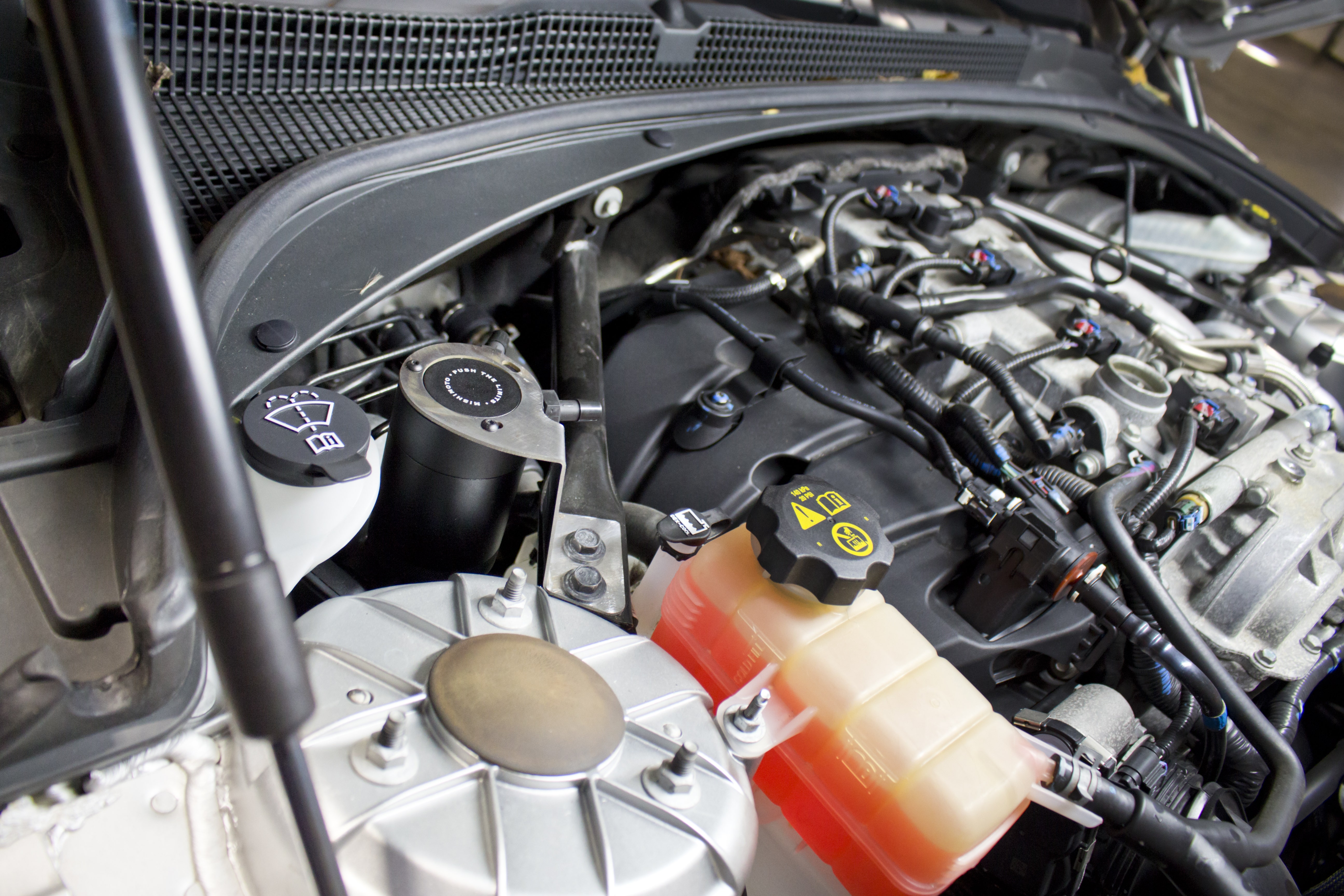
    The prototype has been on our loaner GT for the past few months, working as it should and catching a nice amount of blow-by. The previous updates, covered how we used innovative tech to design and create the bracket, and the planned routing for the lines. Significant progress has been made since then, as the designs have taken a cleaner physical form.
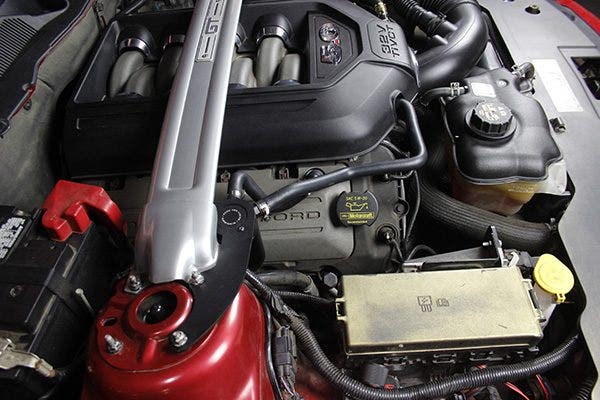
    Side shot of the completed kit
    Side shot of the completed kit

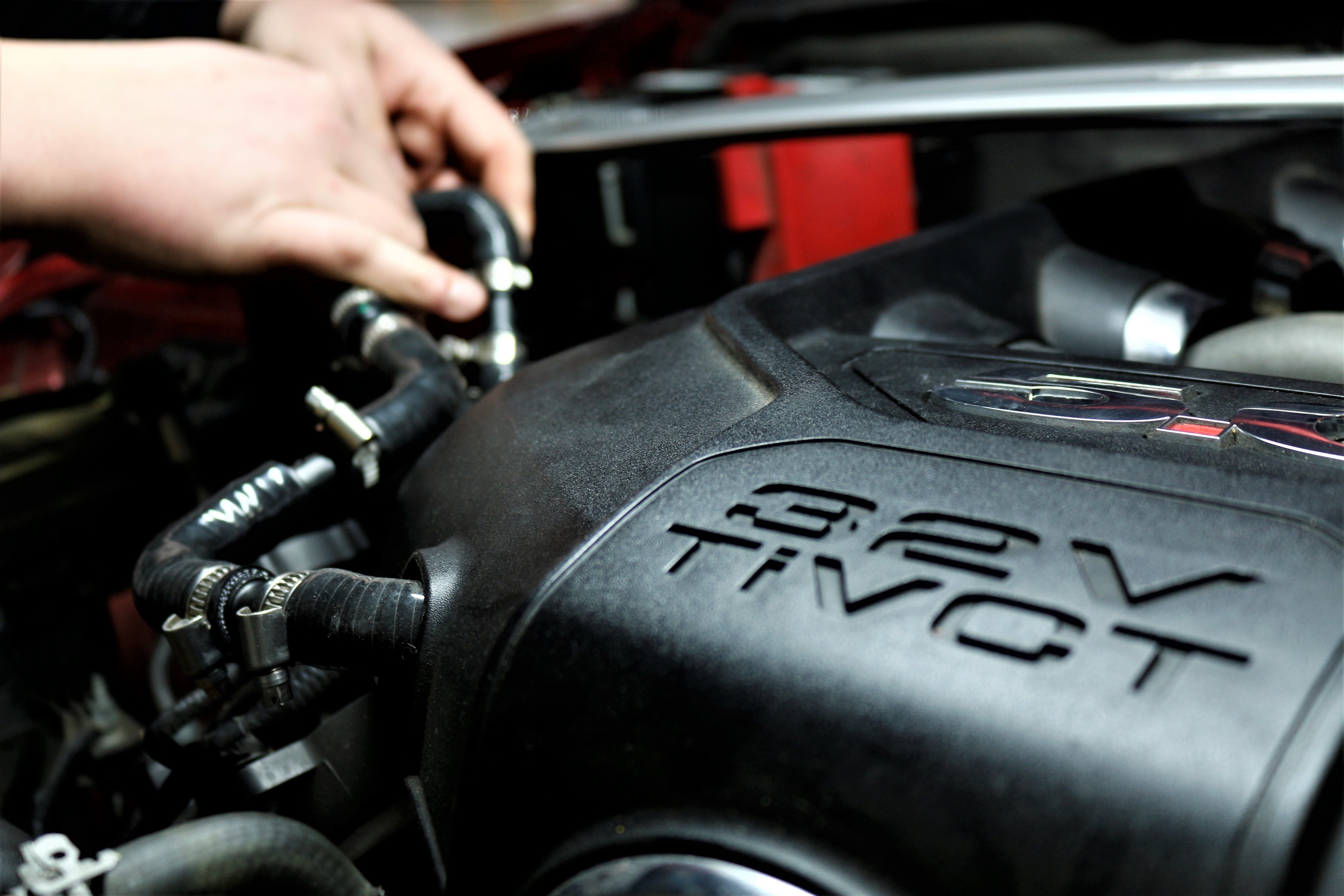
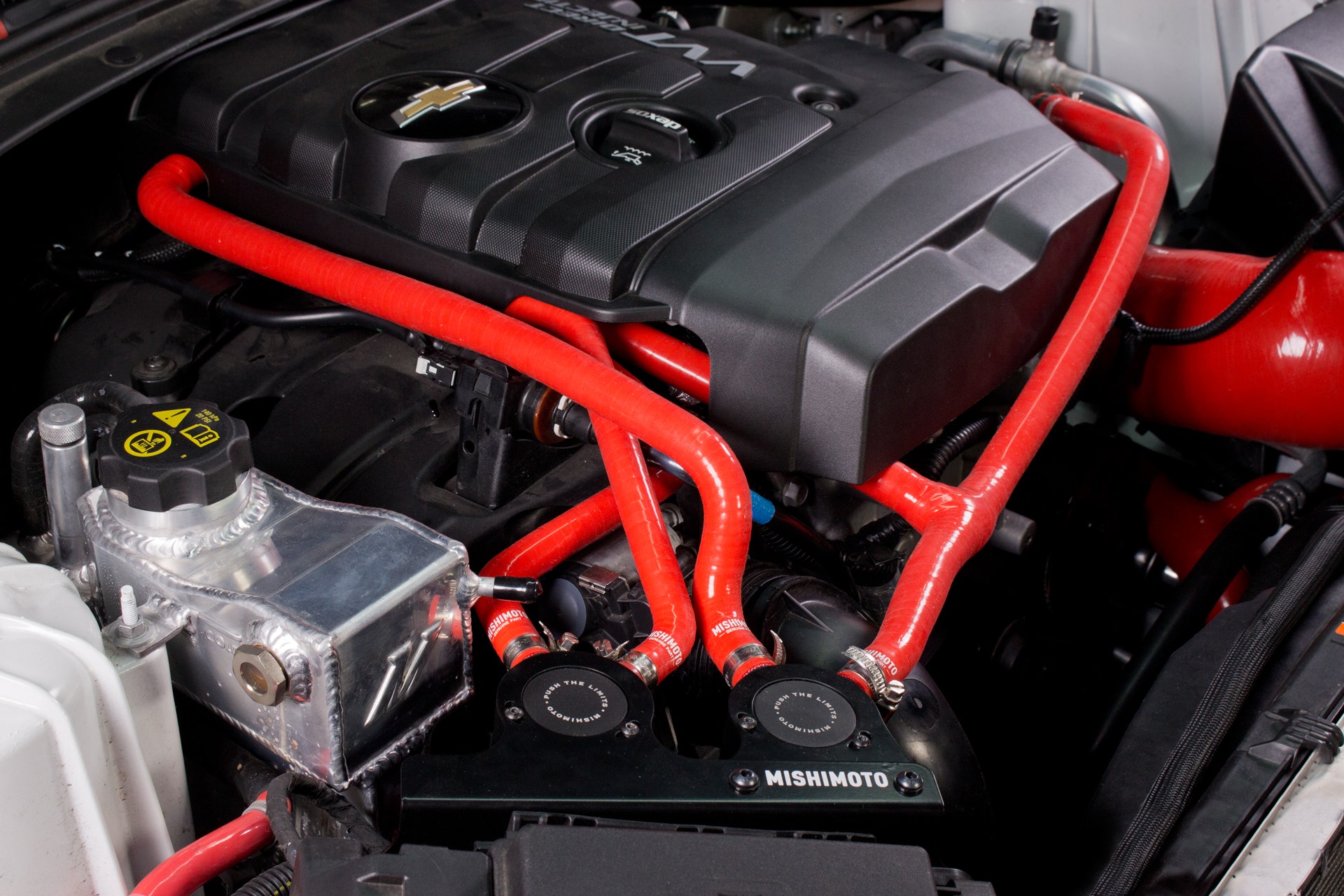
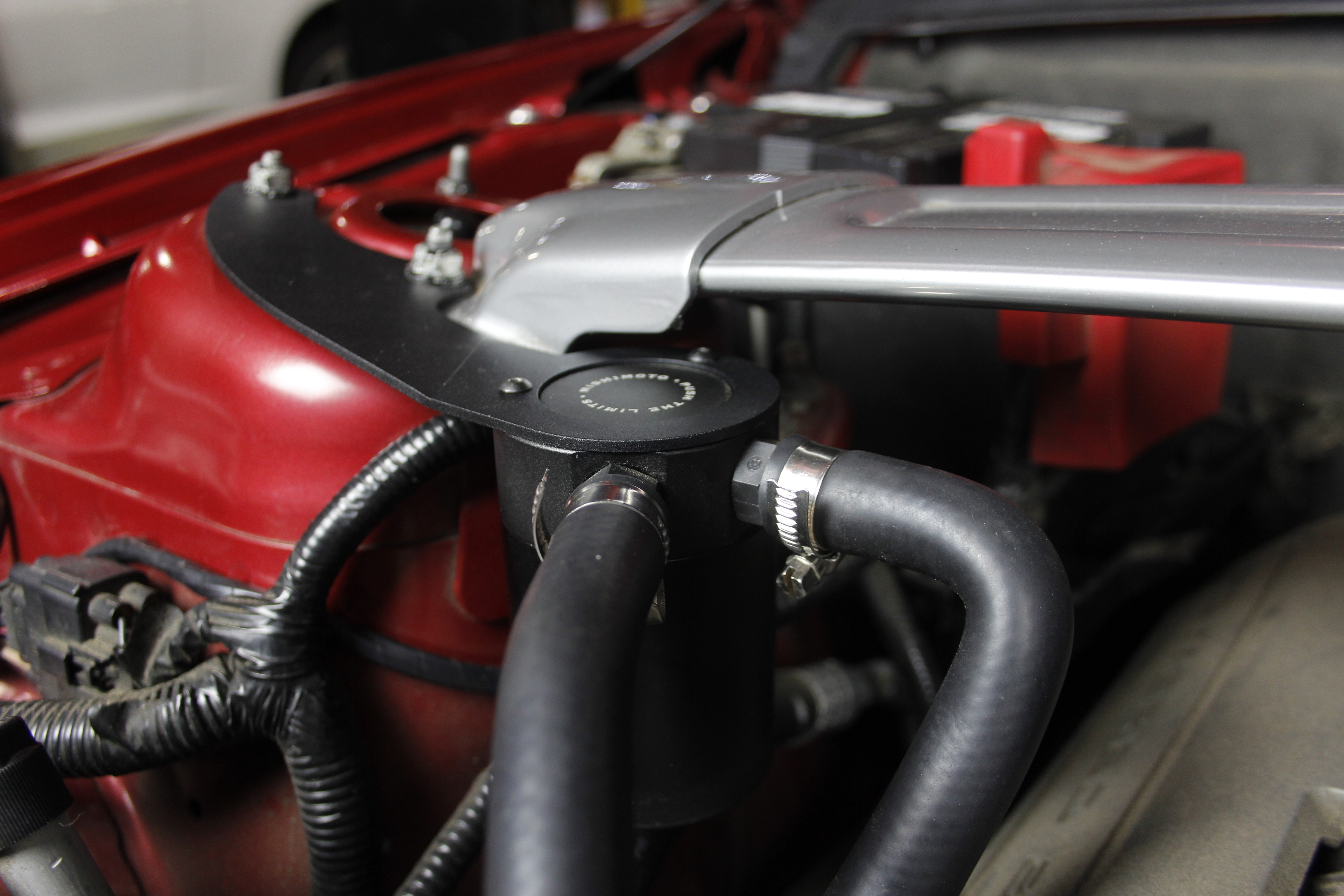
    Our sample production kit arrived at our R&D headquarters and it couldn't have fit any better. Everything was spot on and the installation was easy. You can see in the above image that we've cleaned up the catch can lines with properly routed hoses. The line material is rubber based, retaining a clean, OEM look.

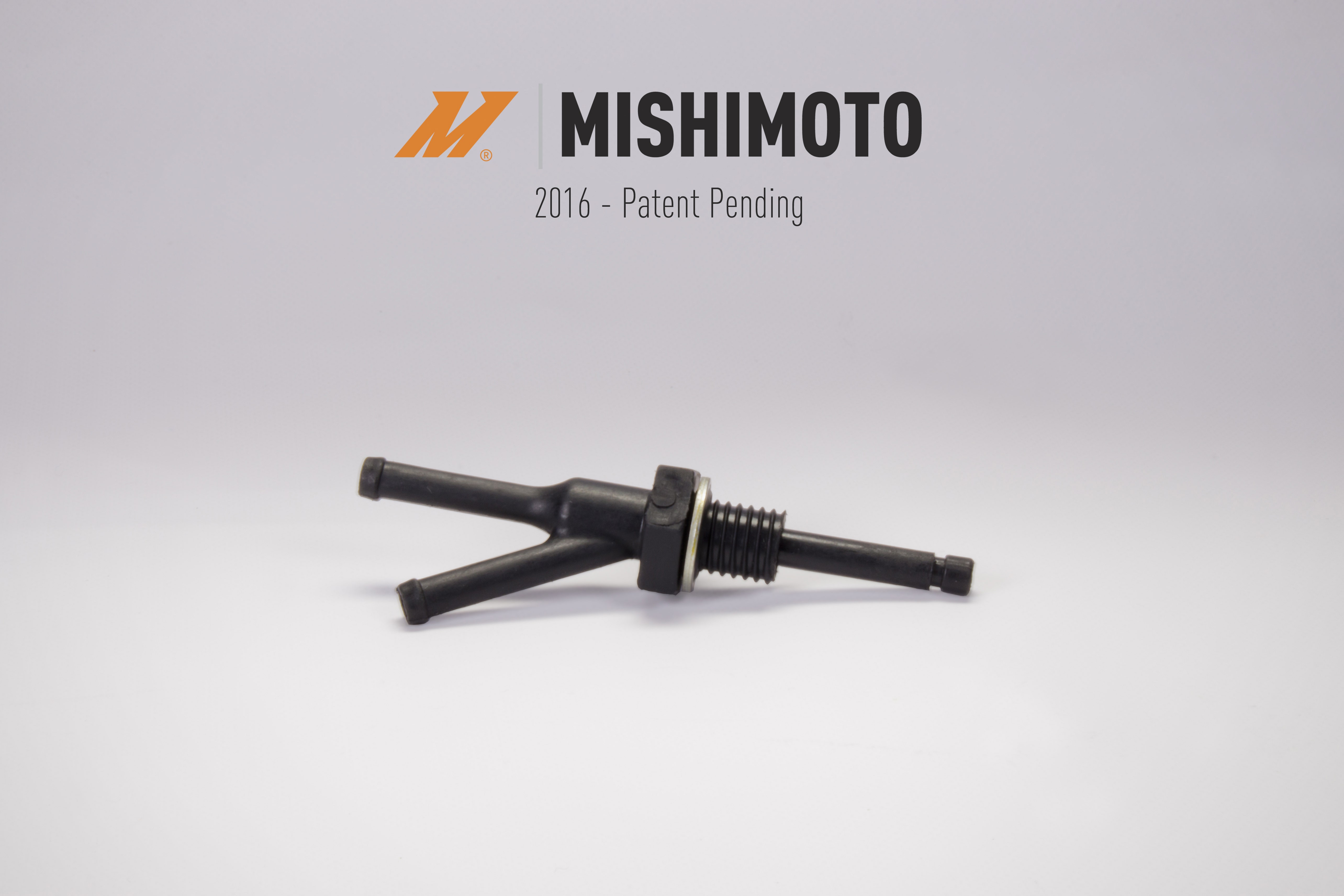
    To keep this kit truly direct-fit, we will also include the quick-disconnect fittings for the PCV connections on the engine.
    Quick-disconnect fittings on our kit
    Quick-disconnect fittings on our kit

    So, it looks nice, but does it work? Well, after the prototype kit had been on the car for about 1000 or so miles, we had this GT come back

    Continue Reading »
  2. Blow-By Verified - Oil Catch Can R&D, Part 1: That's A Lot of Oil

    Blow-By Verified - Oil Catch Can R&D, Part 1: That's A Lot of Oil

    What do carbon-deposit caked valves, decreased fuel economy, oily intake tracts and inefficient combustion all have in common? The resulting effects of engine oil blow-by. During combustion, the top side of the piston forces combusted gasses, with remnants of fuel and oil past the piston rings, and into the crankcase. This would force the crankcase to become pressurized without some sort of relief, so the content of what enters the crankcase exits the system through a positive crankcase ventilation (PCV) system and gets recycled through the engine via the intake tract.

    _MG_4681r
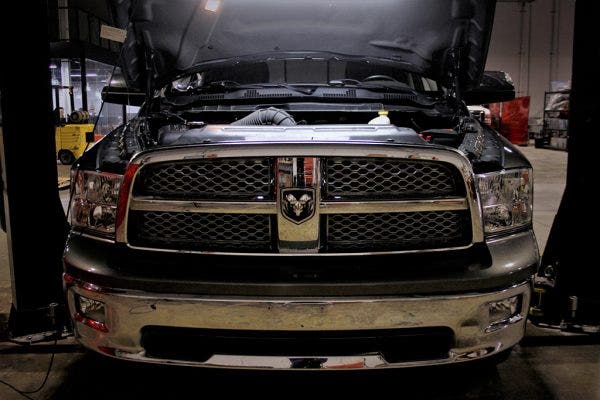
    Our shop Ram getting ready to go under the knife

    You may have heard of a device called an air oil separator or AOS. These devices tap into your PCV routing system and are intended to separate the oil vapor from the incoming air. Well-constructed AOS systems can be of some use, but there is one crucial issue here. The separated content is usually routed right back into the engine, in many ways severely reducing the usefulness

    Continue Reading »
  3. Stranger Danger - Baffled Oil Catch Can R&D, Part 2: A Canned 'Stang

    Stranger Danger - Baffled Oil Catch Can R&D, Part 2: A Canned 'Stang

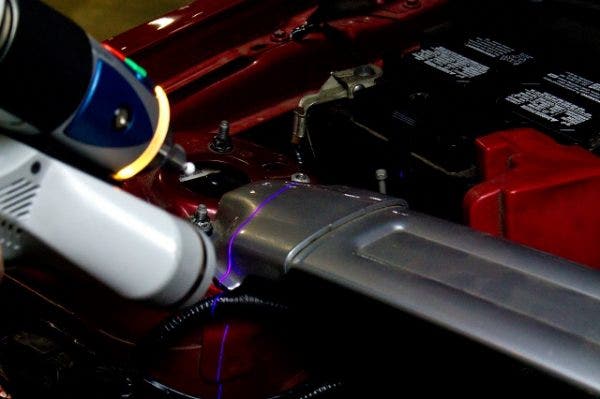
    Our engineer has advanced engineering tools at his disposal. Arguably, one of the coolest in our facility's arsenal is our scanning device. This high-tech piece of equipment allows our engineer to scan anything in 3D space into a computer file. The file is then uploaded to a computer so the engineer can design whatever they want within the 3D space they scanned. The fine-tuned hands-on engineering element is still there, it's just done a lot faster and just as accurate with this machine. Β We call this contraption the Faro Design ScanArm and we have a full, detailed writeup on how it works. Cool technology aside, let's get into the design of this catch can kit.

    The scan-arm at work!
    The scan-arm at work!

    A peek at the resulting image file
    A peek at the resulting image file

    Every vehicle's engine bay components experiences vibration. It's automotive nature. But catch cans can't be subject to this rigorous shifting because the lines to each can port must remain in place, so we need to find a spot on the chassis that will have the least amount

    Continue Reading »
  4. Stranger Danger - Baffled Oil Catch Can R&D, Part 1 - Design Plans

    Stranger Danger - Baffled Oil Catch Can R&D, Part 1 - Design Plans

    Our engineers at Mishimoto are no strangers to the dangers of oil blow by. We have well-documented evidence that this is still a common threat to most modern direct injected vehicles. For those of you that don't know, blow-by is a byproduct of compression and combustion. Blow-by is created when oil and fuel vapors push past the piston rings and into the crankcase during compression. To keep the crankcase depressurized from this oil and fuel, there needs to be some sort of venting. This is accomplished by routing this blow-by through the intake tract and right back into the cylinder to be burned during combustion.

    Even though this particular engine uses port injection, which sprays fuel directly onto the valves, the problem still lies within the venting process. By rerouting blow-by through the intake tract, there is a potential for accumulating carbon deposits on your valves in addition to a nice thin coating of oil along the inside walls of your intake (and turbo if applicable). The by-product

    Continue Reading »
  5. We Get Around - Catch Can R&D, Part 6: Cadillac Field Trip

    We Get Around - Catch Can R&D, Part 6: Cadillac Field Trip

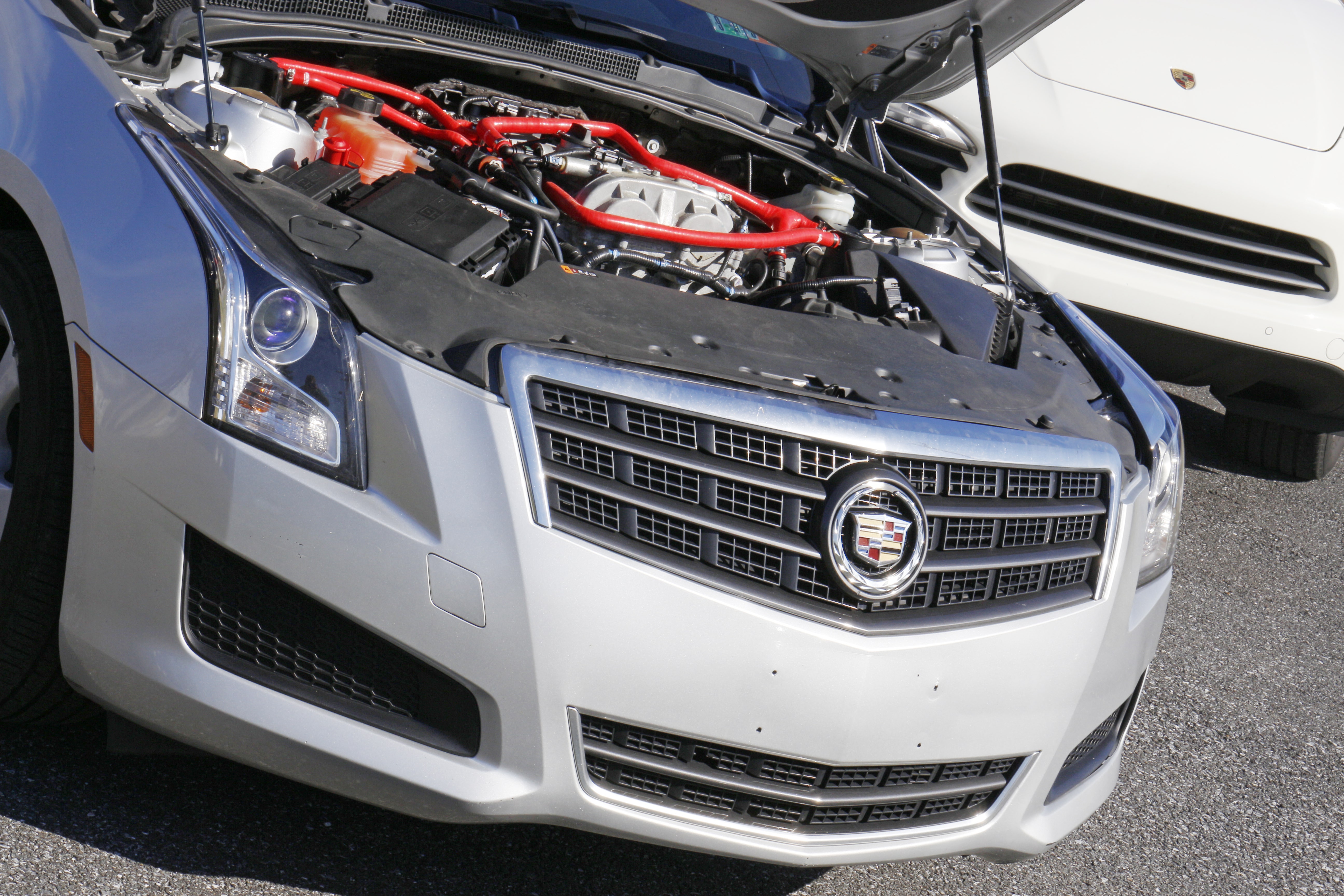
    Though the winter continues to perpetuate chilly weather and monotonous gloom here on the east coast, the future is looking bright for our Mishimoto 2013+ Cadillac ATS catch can kit. After a nice visit to the local Porsche dealership (yes, you read that correctly), armed with some anomalous 50β—¦ January sunshine, several delicious sandwiches, and our final ATS prototype catch can kit, we've determined that our fitment is just about spot on.

    For those of you just catching up with us now (I crack myself up), this ATS kit is largely the same as our Camaro 2.0T catch can kit, which is now on pre-sale"don't worry, the ATS pre-sale is not far behind!

    However, to properly fit the Caddy, we needed to design a bespoke set of ATS-specific brackets and hoses.

    _MG_1817

    You may have seen an earlier post detailing the ultra-high-tech way we laid out the initial designs, and that method proved to be an effective one. The layout we determined through those methods was mapped onto a 3D-drawing, and we used that

    Continue Reading »
  6. Catch A Wave (of Blow-By) - Part 5: Wait, How Many Cans?

    Catch A Wave (of Blow-By) - Part 5: Wait, How Many Cans?

    Happy 2017, people! I hope you all had wonderful experiences throughout the holiday season and you welcomed in the New Year with a glass of something delicious. I know I did! Whatever you had, I'm sure you enjoyed it much more than your Camaro 2.0T enjoys drinking blow-by. So to begin the year on the right foot, we're going to give you the opportunity to pick up a Mishimoto 2016+ Camaro 2.0T Catch Can kit.

    In my last post, I gave all of the ATS owners a little love and showed you how we route catch can hoses with our loaner Cadillac. Today, it's time to pivot back and take a look at the final setup as it will appear on the Camaro 2.0T. We've been working on a surprise addition to this design that you might want to check out.

    singlebracket

    Most everything that you read here will also apply to the ATS kit, but, as many have inferred, the Camaro project is a little bit further along in R&D than the Cadillac project (although not by THAT much). The Camaro kit is so close to ready, in fact, that it is now

    Continue Reading »
  7. We Struck Oil - Catch Can R&D, Part 1: Stock System Review

    We Struck Oil - Catch Can R&D, Part 1: Stock System Review

    Oil catch cans are a hotly debated topic, yet one fact is still irrefutable; oil blow-by will always be a real byproduct of the modern direct-injection engine. Intakes, charge pipes, and turbos all come into contact with the stuff over time. Sometimes, even newer, low mileage vehicles develop blow-by issues. With direct injection, fuel is injected directly into the cylinders, eventually resulting in carbon buildup on the valves. This was not an issue with port injection, since fuel injectors were placed in the intake manifold. The air-fuel mixture is sprayed directly on the valves, essentially cleaning them each time an injector fired.

    Carbon and oil buildup in direct-injection engines can negatively impact vital engine components and can result in an expensive fix later down the road. I can go into long, excruciatingly deep detail about the dangers of blow-by, but I've given you the basics of what you should know. For more information, I strongly suggest that you take a look at our technical

    Continue Reading »
  8. Little Caddy - Catch Can R&D, Part 4: ATS Hose Routing

    Little Caddy - Catch Can R&D, Part 4: ATS Hose Routing

    Hello to all my wonderful Camaro 2.0T and Cadillac ATS owners! In our last update, we made the big reveal of our patent-pending blow-by tap. We drilled down into the details of how we plan on mining that nasty vein of oil vapor out of your LTG and transporting it to a catch can, instead of into your intake manifold.

    Today, we're going to take it back to basics a little bit and look specifically at that whole "transport" element. To go even further back to basics, check out our technical section to see why blow-by is so bad for your engine over time. You know all about the complex, unique parts of this Camaro catch can project, but what about something as simple and ubiquitous as the hoses?

    camaro catch can

    There are many ways to skin a cat, and there are many ways to route a hose. However, as they say, all you really need to know, you learned in kindergarten. Steve took us back to circle time with a clever new way to route houses in a way that's more visually representative of how the final product will

    Continue Reading »
  9. Don't Worry Baby - Catch Can R&D, Part 3: Drilling In and Striking Oil

    Don't Worry Baby - Catch Can R&D, Part 3: Drilling In and Striking Oil

    Good afternoon, Camaro 2.0T and Cadillac ATS owners, and welcome to the latest R&D post for our 2013+ Cadillac ATS and 2016+ Camaro 2.0T catch can kit. For a recap on why you might want to remove blow-by from your engine, check out our technical article ALL about the nasty stuff. We've got some pretty awesome developments to share, but first let me begin by"

    Setting the Scene

    Imagine, for a moment, the warm hue of soft, August light, gently bathing the wooded pastures of northwestern Pennsylvania in a quilt of contrasting gold. The sun lingers low in the late-afternoon sky and casts heat over the valleys, but the breeze brings with it a subtle bite; a subdued, but confident nod to autumn's imminent arrival.

    For most, this weather typically imparts an assured sense of calm as the summer comes to a close, but it is unlikely that the weather in 1858 had any such impact on an unemployed railway worker named Edwin Drake.

    Ill and having lost both wife and child, Drake found himself living hopelessly

    Continue Reading »
  10. Catch Can, Part 5: Overseas Updates!

    Catch Can, Part 5: Overseas Updates!

    For those whoΒ may be unaware, we've been working with some folks overseas in the UK and down-under in Australia to ensure that our catch can bracket has the best possible fit on right-hand drive GT86s, BRZs, and FR-Ss. Β To learn more about the catch can's development process, check out our previous BRZ catch can R&D blog posts. To go one step futher and find out why a catch can is such a benefit to your engine, learn everything you need to know about blow-by in our technical article on the subject.

    Because research, development, and the actual creation of the parts all happen here in the US, the back-and-forth nature of the across-the-pond prototyping process takes a smiiiiidge longer than it would if we had a RHD car in our R&D facility, but it is progressing well nonetheless.

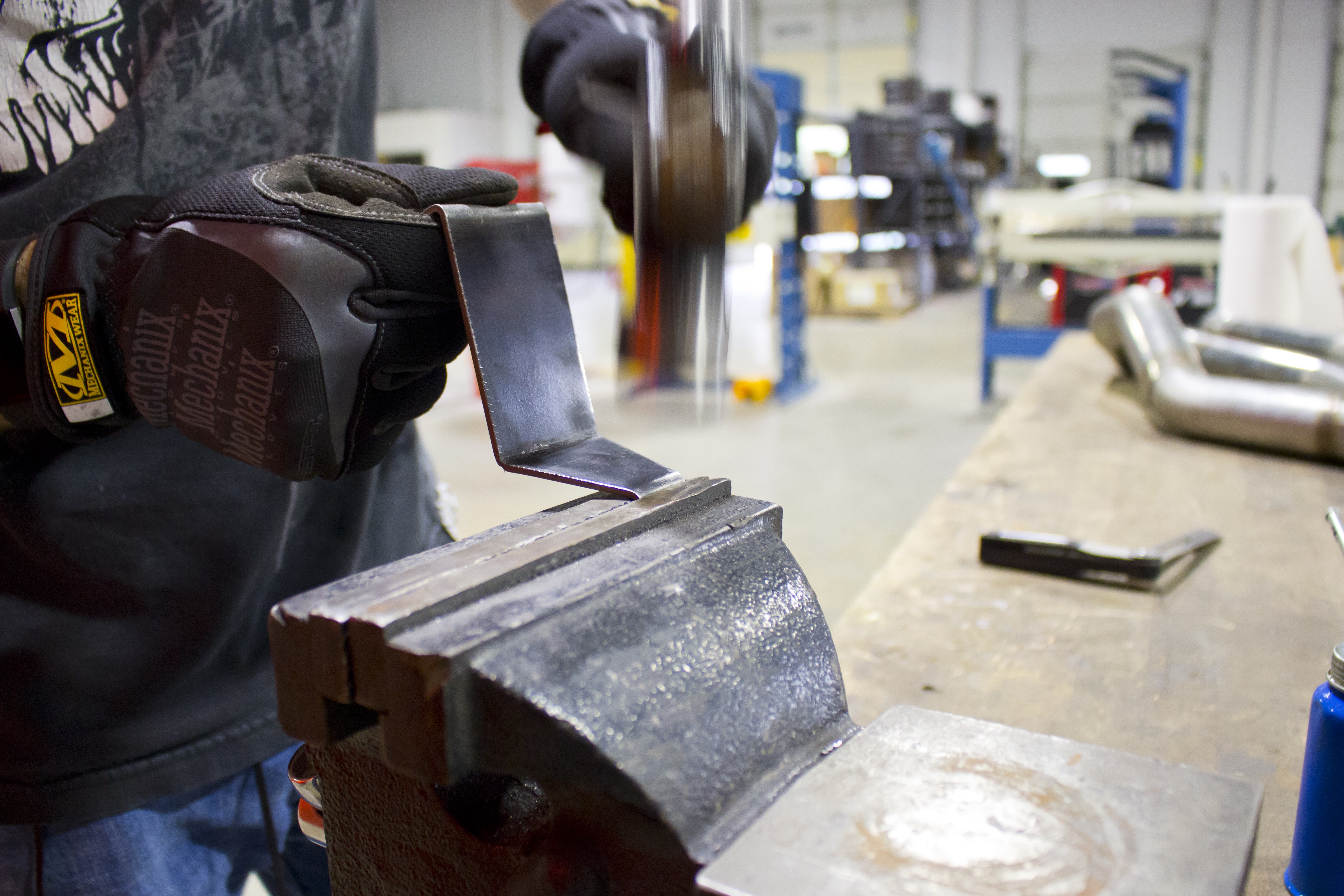
    In the meantime, I thought you may enjoy seeing how our go-to fabrication guy, Mike, produces a prototype bracket to match our computer model with accuracy and precision. He's a talented craftsman and fabricator,

    Continue Reading »