BLOG CATEGORIES

civic

  1. Bring a Jacket- 2016+ Honda Civic 1.5T Performance Intercooler R&D Part 3 - Production Sample

    Bring a Jacket- 2016+ Honda Civic 1.5T Performance Intercooler R&D Part 3 - Production Sample

    It's autumn and, more importantly, it's the start of prime boosting season.  The cool, dense air that's characteristic of the changing seasons is much easier to compress and cram into the cylinders, while the lower ambient temperatures help the intercooler. Even with the stock set up, your tenth generation Civic has a little extra pep in its step. But there's no reason to settle for just a little pep when you can get more.
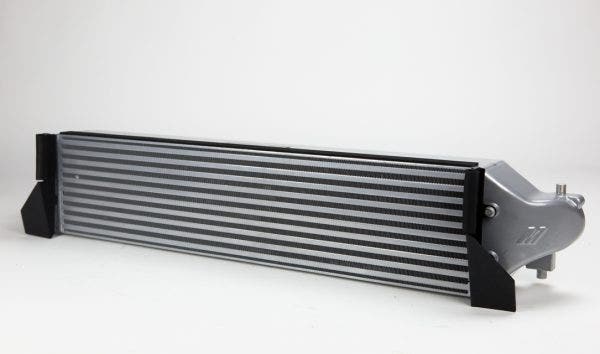
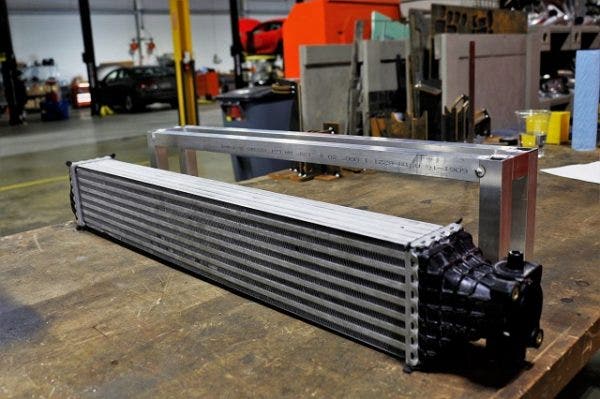
    Dan's new intercooler design brought to life, and fresh our of the box from our factory.
    Our new intercooler design brought to life, and fresh out of the box from our factory.
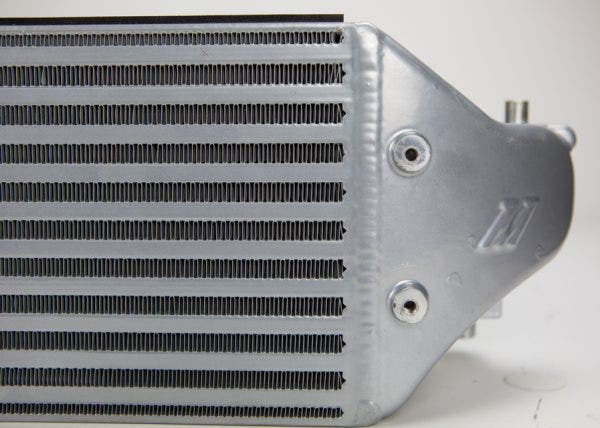
    082117_NLT_CivX_INT_WEB_14

    082117_NLT_CivX_INT_WEB_9

    When it comes to intercoolers, the old saying "bigger is better" almost always rings true, and even with the spatial restrictions we faced during the design process, we were still able to deliver on that mantra. To start, we added three more rows to our cooler to increase the fin surface area by 97%, almost doubling the amount of area being directly exposed to airflow. This might not come as a surprise to those who saw our design in the last update, but we decided the best direction

    Continue Reading »
  2. Heavy Breathing - 2017+ Honda Civic Type R Performance Intake R&D, Part 2 - Design and Prototype Fabrication

    Heavy Breathing - 2017+ Honda Civic Type R Performance Intake R&D, Part 2 - Design and Prototype Fabrication

    Intakes are typically the first modification that any automotive enthusiast would recommend in the name of quick power gains. It's really no surprise either. If you take a look at any modern vehicle on the road today, including the Civic Type R, stock intakes are full of silencers, restriction points, and accordion-style hoses. Those are three things that I know every gearhead doesn't want, and in fact it's quite the opposite when looking to add some power, so we've been researching solutions to get rid of them.

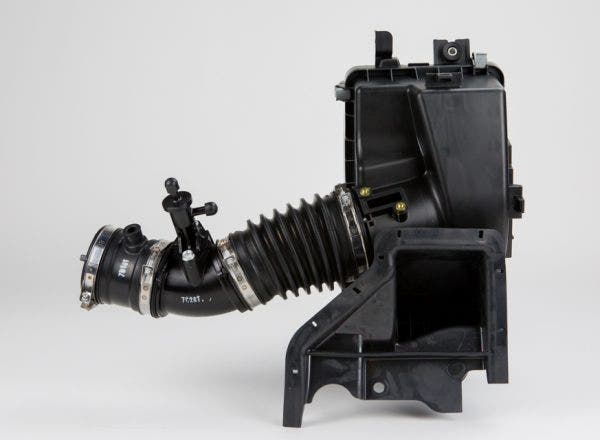
    The top view of the airbox once it's removed from the car. The slim width of the box might lead to some creative solutions once we get into designing our box.

    To start, let's briefly revisit our stock air intake. While the Type R is based on the return of the Civic hatchback to the US, it's no regular Civic hatchback. The beefed up aerodynamics on the exterior, and bright red racing seats, have the 305hp K20C1 to match, which includes a well-thought-out intake system. From the factory, Honda included a cast aluminum runner which not only accounts for 2/3 of the stock system, but also does most of our jobs for us. We only needed to focus

    Continue Reading »
  3. Bring A Jacket: Intercooler R&D, Part 2: Core Framework

    Bring A Jacket: Intercooler R&D, Part 2: Core Framework

    Bigger is better. This is the American ideal that has been the foundation of many in the automotive world. However, in modern times, it's all about consolidation; next-level vehicle technology comes in smaller packages, but broadens the ranges of performance potential. Our engineers shared the modern vision when designing an intercooler for the 2016 Honda Civic 1.5L Turbo. You can't just throw a huge core on this car and call it a day. With a cramped engine bay and the factory intercooler, radiator, and air conditioning condenser tightly bundled together, it's vital we get crafty. It's time to take the road less traveled with the core design to properly surge the maximum amount of cooled air into your Earth Dreams motor.

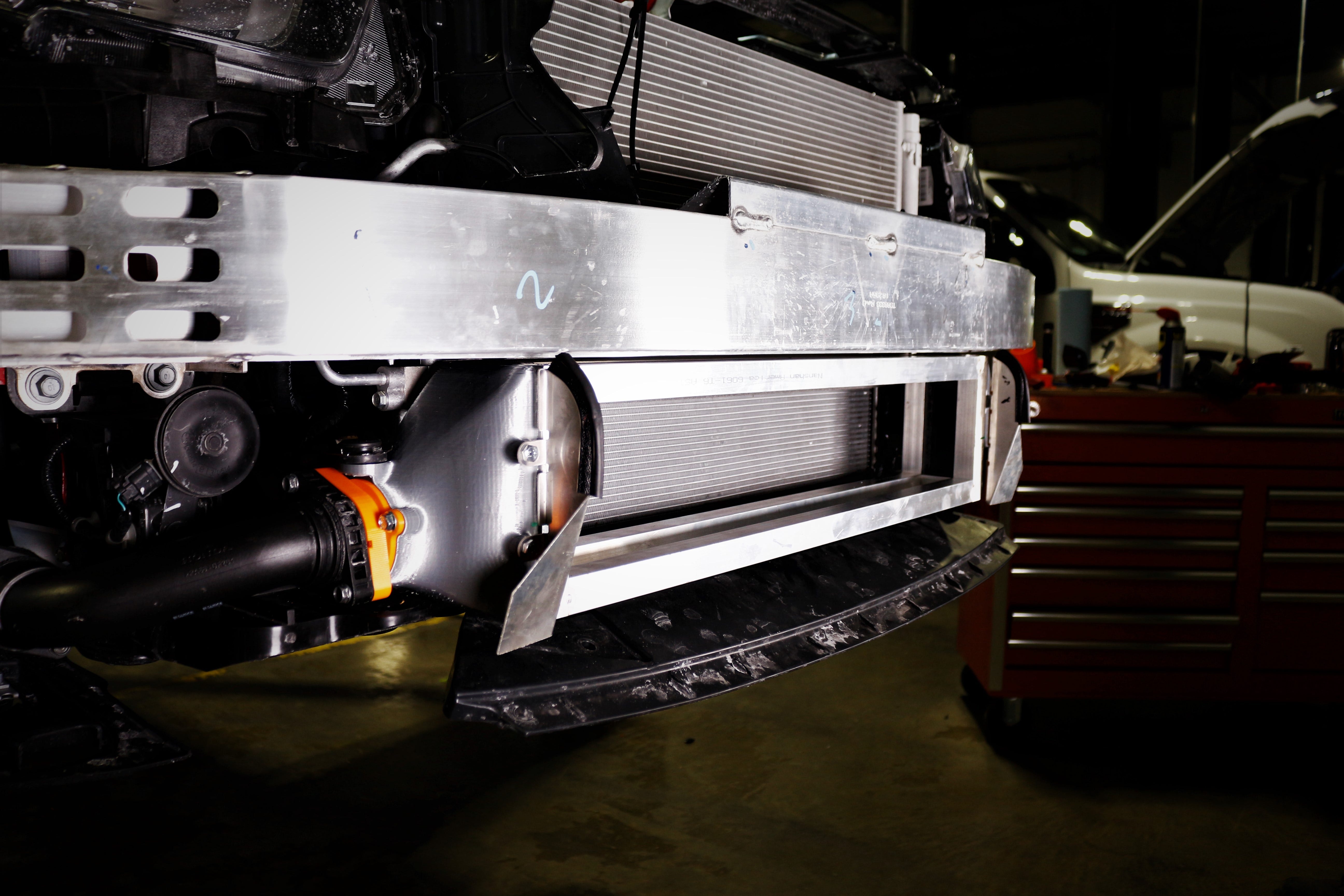
    Comparison of our core frame vs. the factory intercooler unit
    Comparison of our core frame vs. the factory intercooler unit

    I mentioned that we are going for height over depth with this design in the last update, making for a unique change compared to other intercoolers. There are two reasons for choosing height. First, if a core

    Continue Reading »
  4. Civilized Pipelines: Intercooler Piping R&D, Part 1: Design Plans

    Civilized Pipelines: Intercooler Piping R&D, Part 1: Design Plans

    Turbocharger compressors like denser air, which is why us car enthusiasts joke about how, although the winter is the motorsports off-season, it's peak "boost" season. Cars with forced induction love the colder, denser climates because by driving in colder weather, the turbocharger or supercharger gets fed a bit more air than in warmer weather. That's why you might feel a harder punch from the gas pedal in the middle of a freezing Chicago December compared to a Daytona Beach July.

    Since we don't all boost happily in the Siberian Tundra, the way to replicate this effect is by finding a way to supply more air to your method of forced induction. One way to do so is by making your intercooler piping or charge pipes larger. Larger pipes allow more airflow, which translates to more power. Our lead engineer for this entire intercooler project is very familiar with this idea, before creating larger pipes, we must first evaluate the stock pipes - hot side and cold side - to know exactly what we are

    Continue Reading »
  5. Bring a Jacket: Intercooler R&D, Part 1: The Stock System

    Bring a Jacket: Intercooler R&D, Part 1: The Stock System

    I've been labeled a Nissan guy for a long time now. My 1995 Nissan 240SX has served me well during the six years I've owned it, sticking with me through the second half of college, nine states on the east coast and more drift events than I can honestly count. Being a Nissan guy (specifically a 240 guy) has really been the one thing I could easily identify with, other than usually being able to see over crowds and get the "Did you play college ball?" question. While I'm familiar with what is known as the S-Chassis, I'm a car guy through and through, and I can appreciate the builds and the individual styles that come from all sorts of different personalities and backgrounds. This is exactly why when I saw this new 2016 Honda Civic 1.5L Turbo Hatchback pull into our parking lot last week, I got excited.

    _MG_2496r
    The Sport package has an aggressive body style

    Even though it isn't a rough-around-the-edges mid "90's drift car, I can appreciate something that is this good looking. These new 2017 Civic

    Continue Reading »
  6. The Civic Has Boost! - Intake R&D, Part 4: Prototype Kit Components

    The Civic Has Boost! - Intake R&D, Part 4: Prototype Kit Components

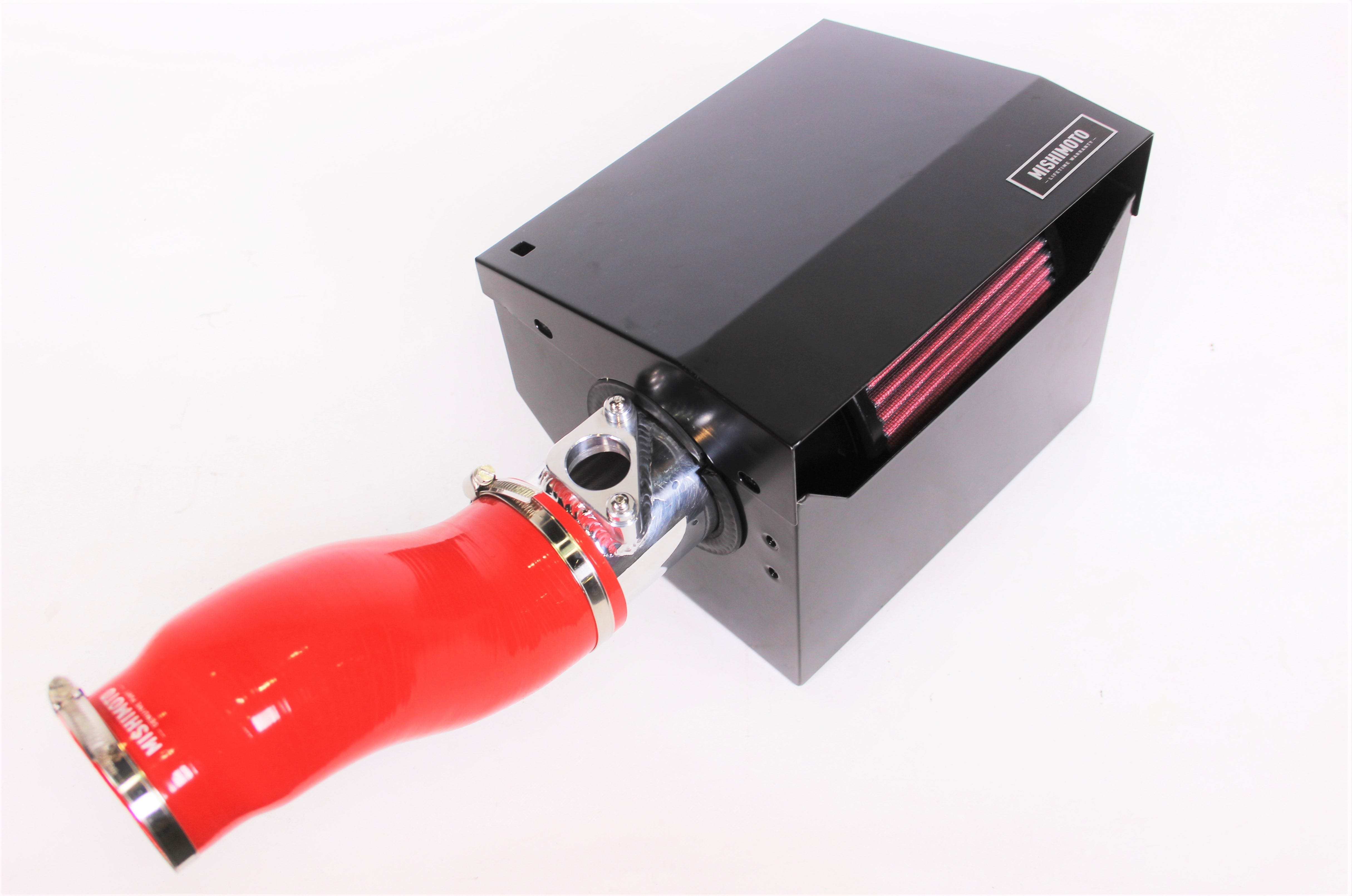
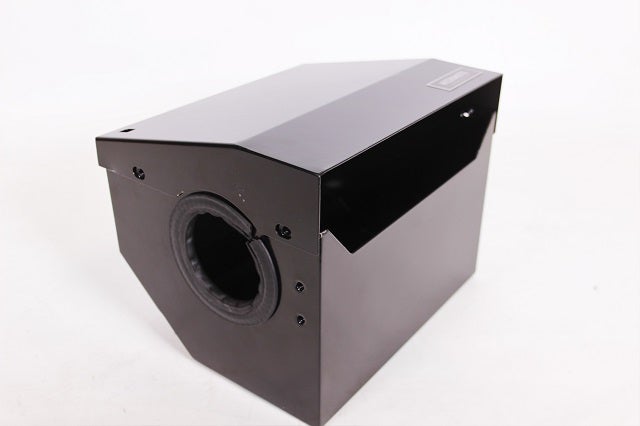
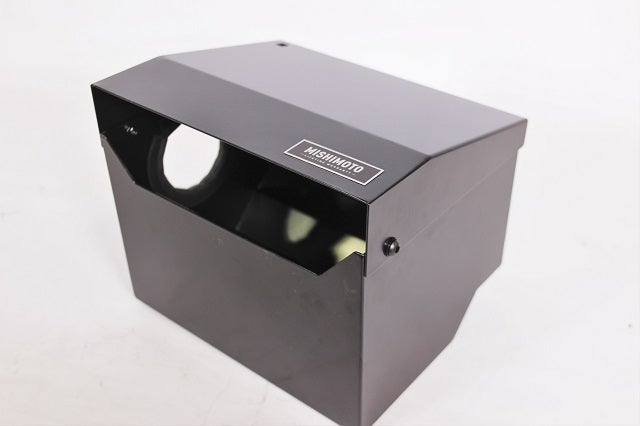
    We finally have all our prototype 2016 Honda Civic parts together for this kit. Let's briefly examine everything we have so far, starting with the airbox.

    Prototype 2016 Honda Civic parts
    Prototype 2016 Honda Civic parts

    Prototype 2016 Honda Civic parts
    Prototype 2016 Honda Civic parts

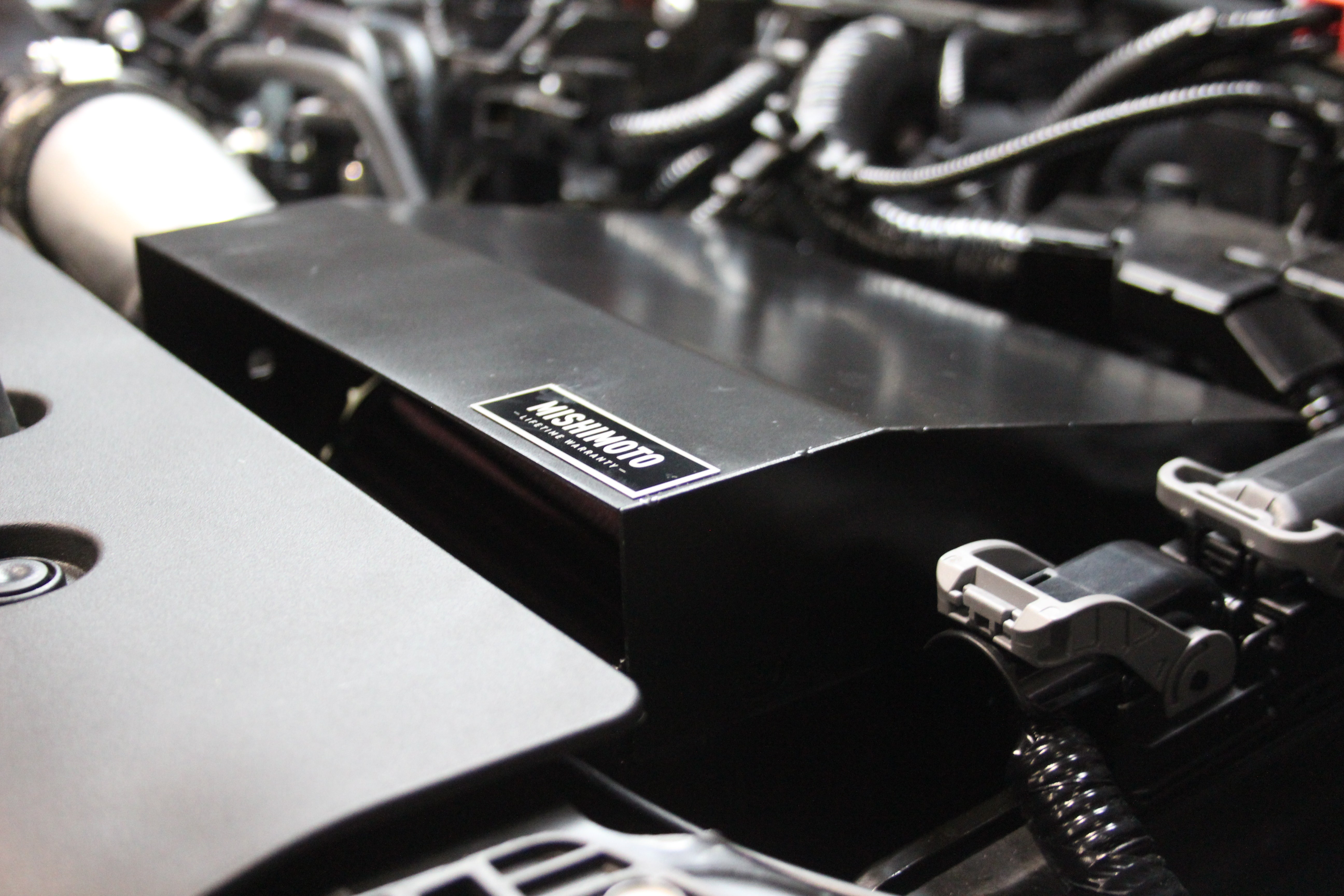
    As we discussed in the last post, we wanted to utilize the stock air inlet as much as possible, which is why we kept an opening at the top of the airbox. The remainder of the filter enclosure is protected within the physical box, to help keep out heat. The opening on the box where the mass airflow (MAF) sensor housing sits will be lined with weather stripping not only to prevent debris from getting inside, but also to secure the housing in place and absorb any flex resulting from engine torque.

    The MAF housing looks really sharp! The cuts and edges on this piece are super clean, even though this is just a prototype unit. The MAF sensor will plug right into this unit. Check it out below!

    Prototype MAF housing belonging to our 2016 Civic intake

    Prototype MAF housing for the 2016 Civic intake

    This prototype isn't painted yet; the

    Continue Reading »
  7. The Civic Has Boost! - Intake R&D, Part 3: Dyno Results

    The Civic Has Boost! - Intake R&D, Part 3: Dyno Results

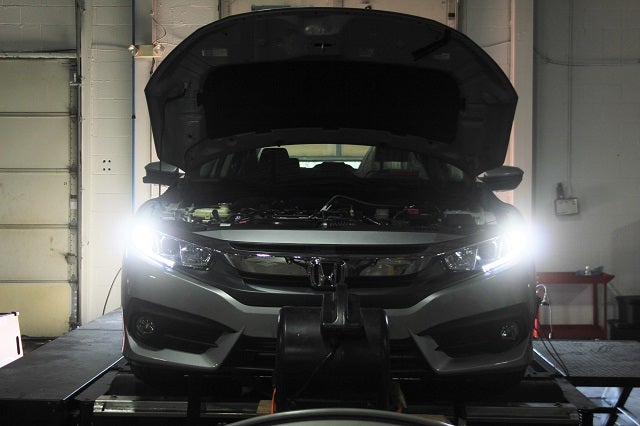
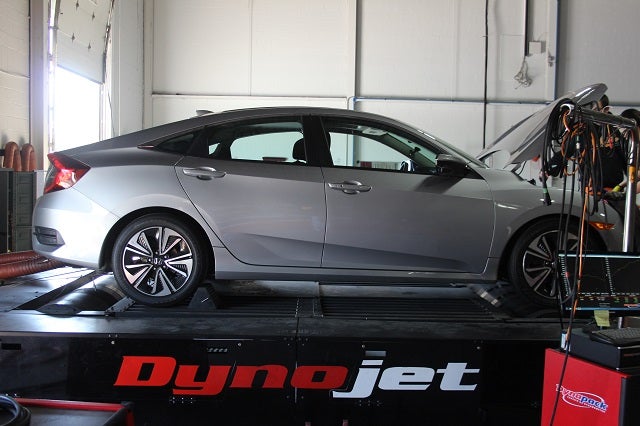
    Here we have another update for our 2016 Civic intake project. This Civic has finally been put on our dyno to see how our intake performs - and we have some results to share with our Civic community! This car was tricky to dyno properly because of the continuously variable transmission (CVT), but no corners were cut during our testing. Let's jump right in!

    2016 Honda Civic parts dyno testing
    2016 Honda Civic parts dyno testing

    The CVT

    2016 Honda Civic parts dyno testing
    2016 Honda Civic parts dyno testing

    Dyno testing a car with an automatic transmission is always a bit more complex than testing a manual transmission. The ability to shift the gears manually makes it a bit easier to set up a manual transmission on the dyno. With automatic shifting, however, finding an appropriate final gear ratio is not a simple task.

    A continuously variable transmission (CVT), has a continuous range of effective gear ratios. The gear changes are more seamless than in a conventional mechanical transmission, which has a limited number of gear ratios. With a CVT design, the angular

    Continue Reading »
  8. The Civic Has Boost! - Intake R&D, Part 2: Prototype Development

    The Civic Has Boost! - Intake R&D, Part 2: Prototype Development

    We are moving along with the intake project! Last time, we talked about the stock system and our goals for this project. Now, we will show you our process for assembling a prototype that we can test and analyze results from. Let's jump right in!

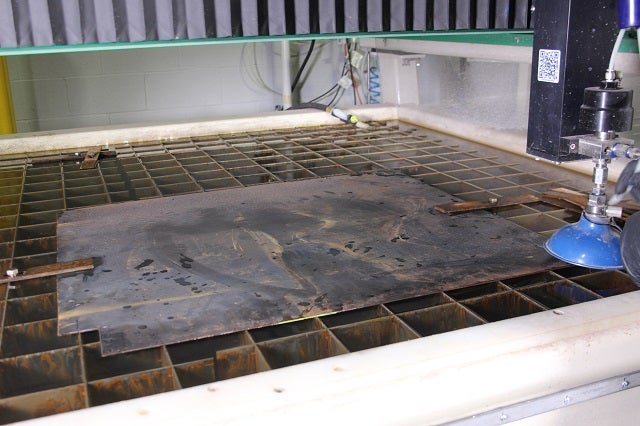
    Once our engineers finalize a design, the proposed idea gets modeled in 3D modeling software. The next step is to make the idea a physical reality. We have an awesome machine called a waterjet that can cut almost anything with pinpoint accuracy using a mixture of high pressure water and abrasive material. We upload our design to the waterjet through computer software, "telling" it exactly what we want to cut. The machine takes care of the rest! We just sit back and watch as our prototype gets crafted out of a big sheet of any metal we place inside the machine - in this case, steel.

    Prototype 2016 Honda Civic parts ready for the waterjet process
    Prototype 2016 Honda Civic parts ready for the waterjet process

    Prototype 2016 Honda Civic parts in the waterjet process
    Prototype 2016 Honda Civic parts in the waterjet process

    Once the parts are ready, we pull them out of

    Continue Reading »
  9. The Civic Has Boost! - Intake R&D, Part 1: Stock System

    The Civic Has Boost! - Intake R&D, Part 1: Stock System

    Some exciting news in the Mishimoto garage - we have finally been graced with a brand new 2016 Honda Civic with the 1.5L turbo engine! We have planned our R&D process for the design of a performance intake and we are starting this project by dissecting the stock system so we can learn as much as possible. Let's jump right in!

    The Stock Intake

    2016 Honda Civic Parts undergoing inspection
    2016 Honda Civic Parts undergoing inspection

    Honda has done an excellent job with their new Earth Dreams 1.5L motor. This turbocharged engine has a power output rated at an impressive 174hp, which is a nice amount of power for this new-age Civic. We are very excited about this chassis and we are eager to dig in and develop an awesome intake that will provide easy bolt-on power. Let's check out some shots of the stock system on the car.

    Stock 2016 Civic intake
    Stock 2016 Civic intake

    IMG_3933r
    Stock 2016 Civic intake

    IMG_3936r
    Stock 2016 Civic intake

    The intake has simple routing, but the system is more complex than you might think - we will get to that in a bit. You'll notice that part of the

    Continue Reading »
  10. Design and Fabrication - Catch Can R&D, Part 1

    Design and Fabrication - Catch Can R&D, Part 1

    We have been searching long and hard to get our hands on the new Honda Civic, and the search is now over! A brand new 2016+ Honda Civic equipped with the 1.5L Turbo engine has finally reached our R&D facility, thanks to a very generous owner. One of our first targeted projects is an oil catch can. There are many benefits to equipping a vehicle with a catch can. Modern fuel injection is accomplished by either port or direct injection, the latter used by this Civic. Let's briefly talk about the differences between the two.

    Port vs. Direct Injection

    With port injection, the fuel injectors are situated right inside the intake manifold, producing a fuel stream to mix with the air. That air/fuel mixture is shot straight into the combustion chamber through a valve. As the fuel passes through the valve area, much of the debris gets cleaned off - because as we all know, gasoline is an excellent solvent.

    Direct injection, however, is the more common approach for new engines. This system places the

    Continue Reading »