BLOG CATEGORIES

Page 2 - built ford tough

  1. The Mustang GT Intake R&D, Part 4: Seeing is Believing

    The Mustang GT Intake R&D, Part 4: Seeing is Believing

    Click here to get your Mustang GT Intake!

    As 2016 approaches its end, I can't help but reminisce. It's been a wild ride and a lot has changed. We have a new president-elect, the Olympics took place in Brazil, Kim Kardashian was robbed at gunpoint, Ryan Lochte lied about being robbed at gunpoint, and Leo finally got his Oscar. You know what hasn't changed? Our resolve to make awesome parts for our automotive community.

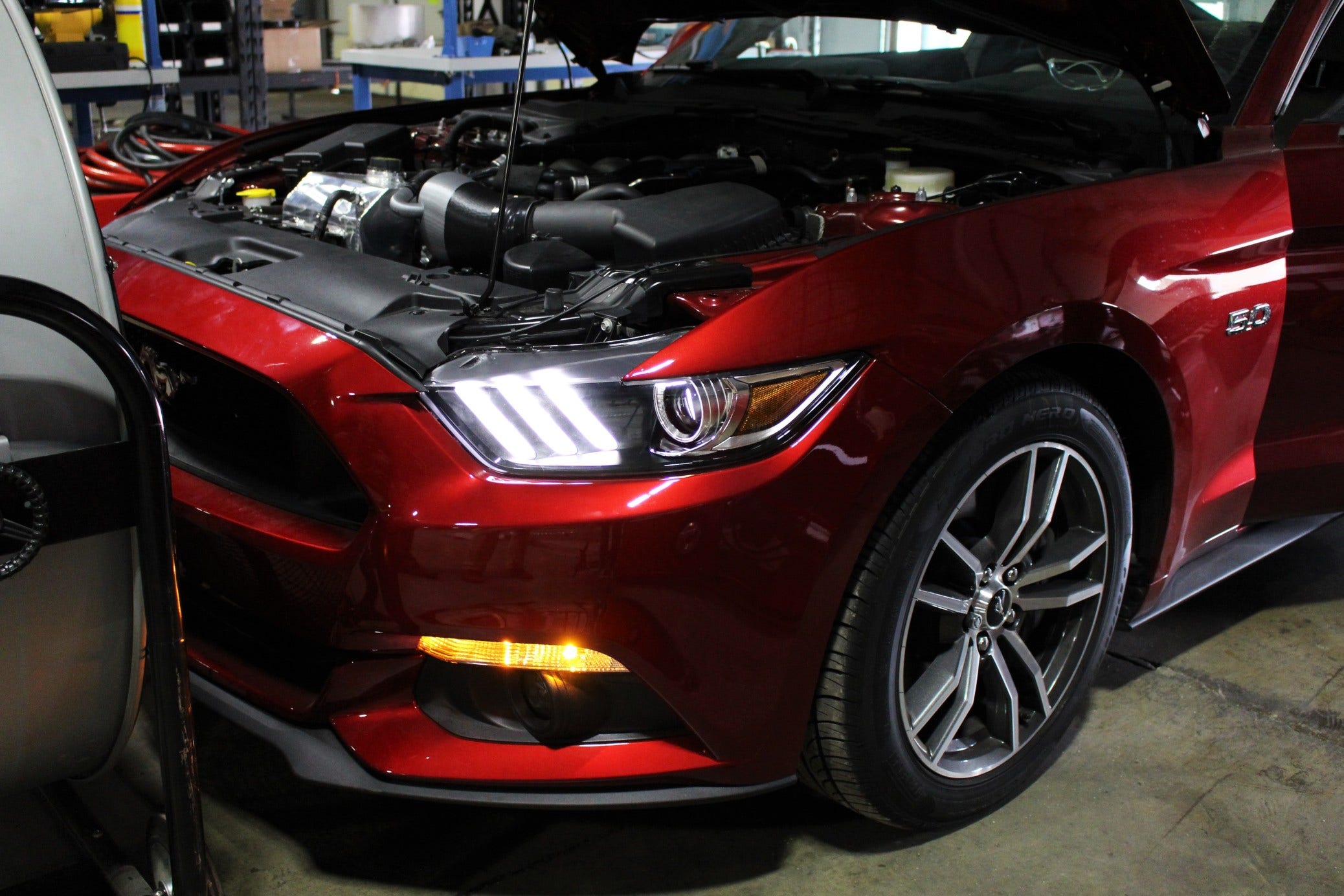
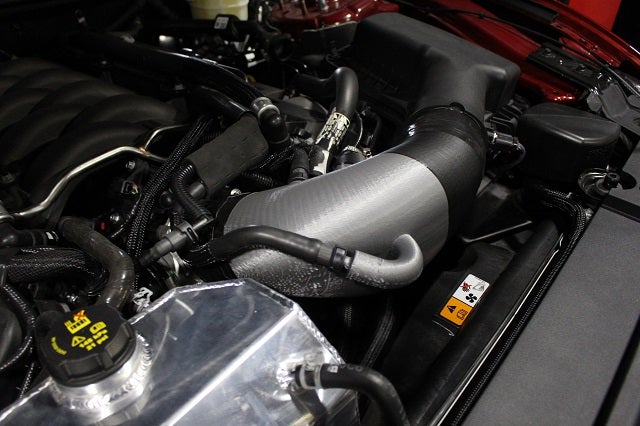
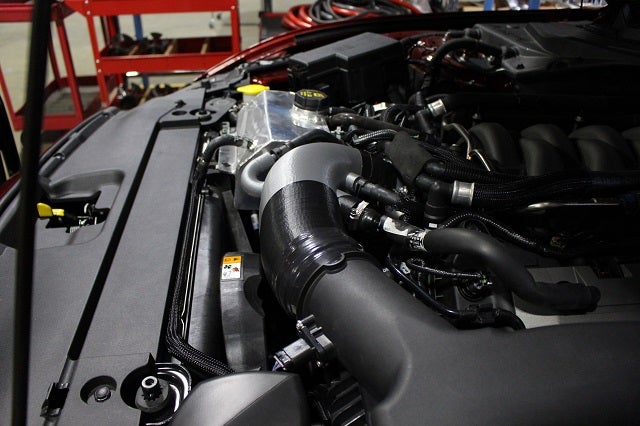
    It was May 3 when we announced that we were going to make an intake for the 2015 Ford Mustang GT. I know it feels like the updates for this project have been trickling in at a slow pace, but quality takes time. In our last update, we went through the rigorous testing our prototype endured, including pressure drop, dyno and road testing, so we could be confident in our results. The production sample has finally arrived at our R&D facility and it looks great. Our lead engineer has installed a finished production kit on our GT, so let's check it out!
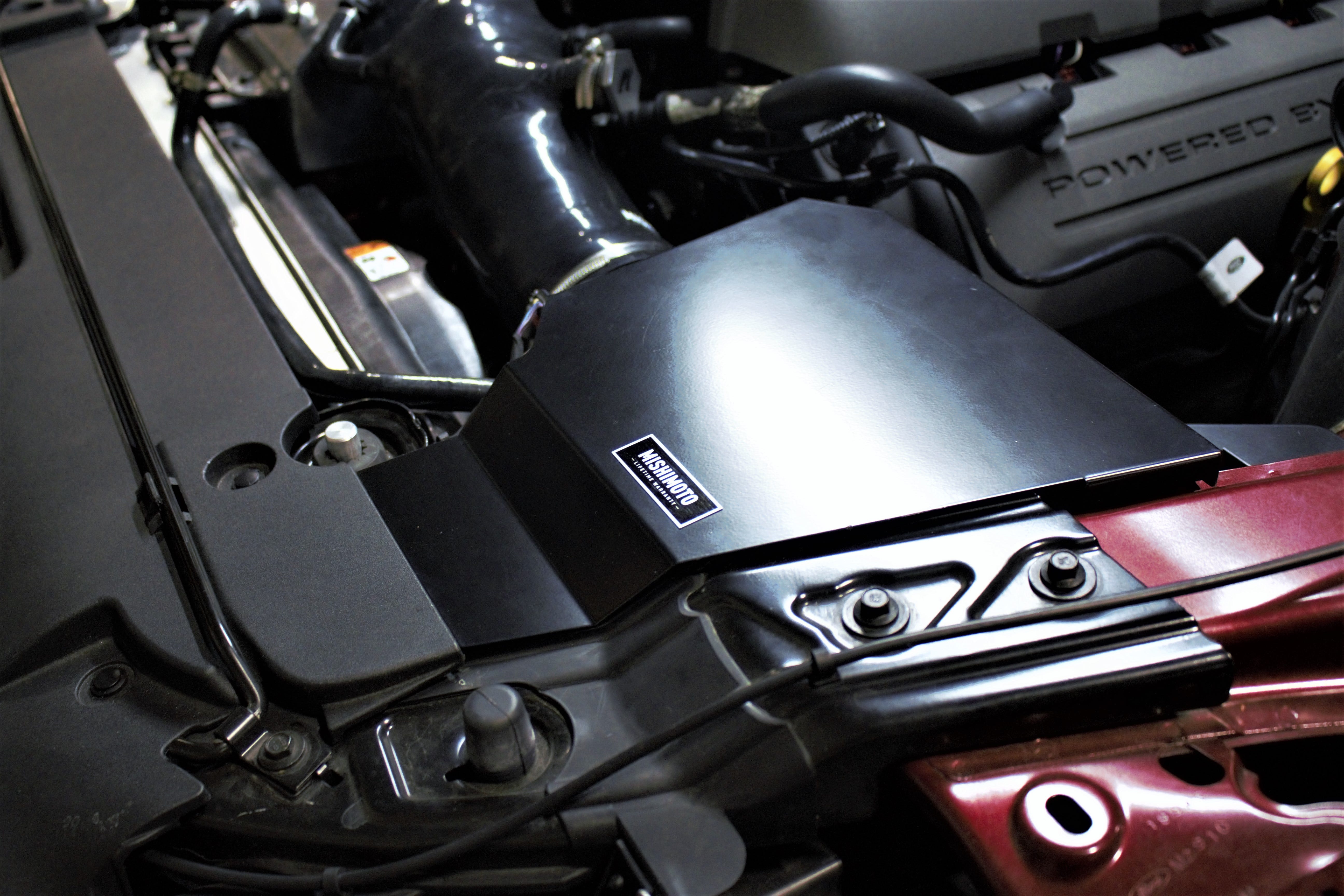
    Here it is; the full kit!
    Here it is; the full kit!
    Continue Reading »
  2. The Mustang GT Intake R&D, Part 3: Data Crunch

    The Mustang GT Intake R&D, Part 3: Data Crunch

    It may seem that we have been dormant on this project, but trust me, the activity around this 2015 Mustang GT intake could not be more alive! In this update, I'll outline the results of the extensive R&D we put this prototype through. Our Mustang's V8 Coyote motor has spent a lot of time running with this our prototype intake, and we wanted to document the many steps along the way of this research. Our engineers believe they have tweaked this product to its full potential. So let's dive right in!

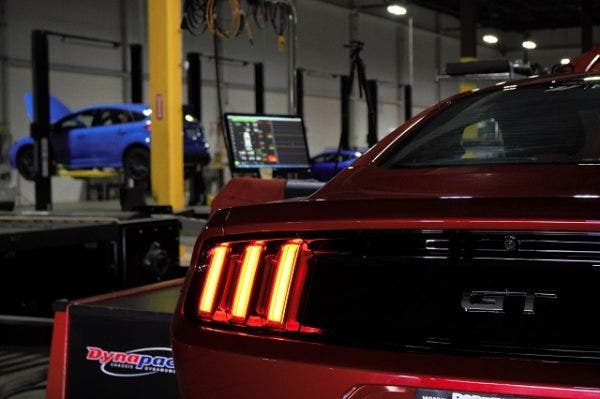
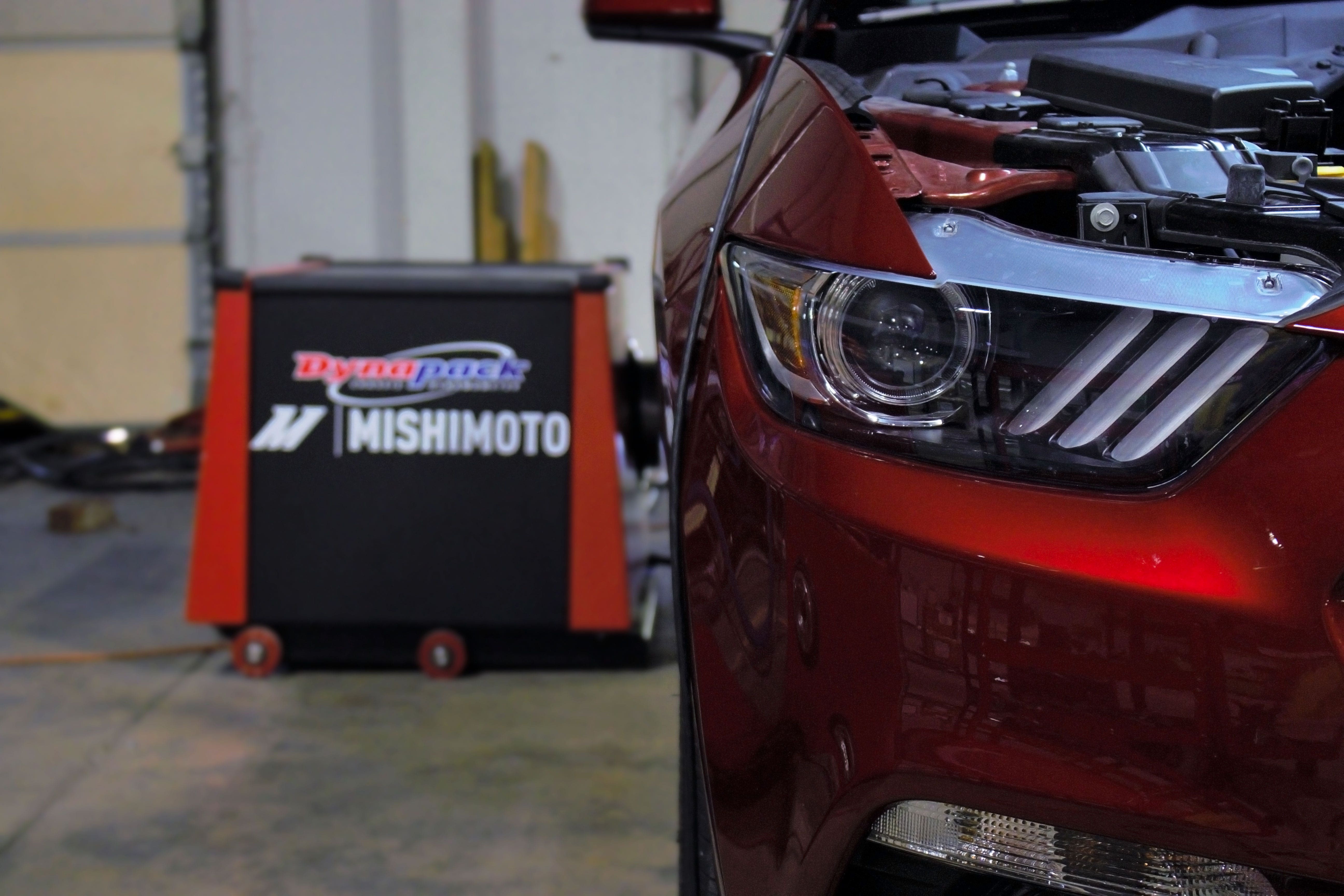
    The GT looks ready
    The GT looks ready!

    We wanted to look at several things in this car. We know a few intake kits out there require tunes to run with this S550. One of our priorities was to ensure that this this intake would safely run on a stock tune while making reliable and repeatable power gains. This gave us a direction as we dove into development. We knew that closely monitoring the behavior of the air-fuel ratios (AFRs) throughout the progress of this design would be important. To get accurate numbers, our

    Continue Reading »
  3. Cooler Than Winterfell - Intercooler R&D, Part 1: Stock System Review

    Cooler Than Winterfell - Intercooler R&D, Part 1: Stock System Review

    George R.R. Martin isn't the only author who can write some gripping stuff about the cold. That's right, brace yourselves, winter is coming; and we are jumping into the frigid waters which we know well - improved intercooler performance. The patient going underneath our scalpel for R&D is the 2013+ Ford Focus ST, but per our usual process, let's first take a brief second to examine the stock system.

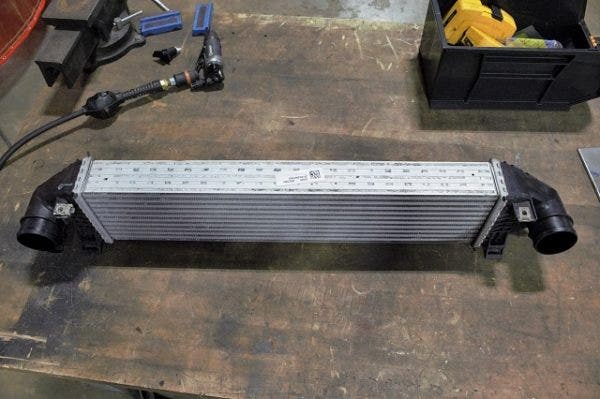
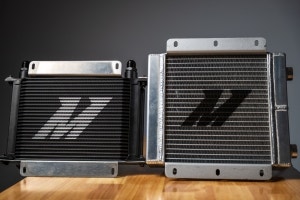
    Our Ford Focus ST intercooler on our surgical table
    Our Ford Focus ST intercooler getting inspected

    Ford decided to use tube-and-fin construction for this intercooler instead of bar and plate. The difference between the two is pretty simple. Tube-and-fin intercoolers are more commonplace amongst stock applications. They are lighter and promote greater airflow through the core exterior. The trade-offs to these qualities are less heat transfer and more susceptibility to road damage.

    Bar-and-plate intercoolers, however, have increased cooling efficiency over a tube-and-fin design. They are physically a stronger intercooler, meaning they can withstand

    Continue Reading »
  4. Bye-Bye Blow-By - Catch Can R&D, Part 2: Road Testing

    Bye-Bye Blow-By - Catch Can R&D, Part 2: Road Testing

    We have had some radio silence with this F150 catch can project, but we now have some updates that we are ready to spill! This has been an interesting project from the beginning. The bulk of time has mainly consisted of road testing; we've logged thousands of miles so far, and every single mile counts.

    Let's backtrack a bit. When we began this project, we intended to see what a dual-can setup would accomplish. In the last update we explained the benefit of having a catch can as part of both the PCV and CCV systems. Also, our engineer, Dan, was in the process of creating a mounting bracket for the cans and getting ready for some road testing. Our prototype looked great, and the hoses were neatly situated to allow the engine cover to stay in place.

    Mounted Ford F150 EcoBoost catch can prototype!
    Mounted Ford F150 EcoBoost catch can prototype!

    Mounted Ford F150 EcoBoost catch can prototype!
    Mounted Ford F150 EcoBoost catch can prototype!

    Routing of some of the lines
    Routing of some of the lines

    The 3.5L

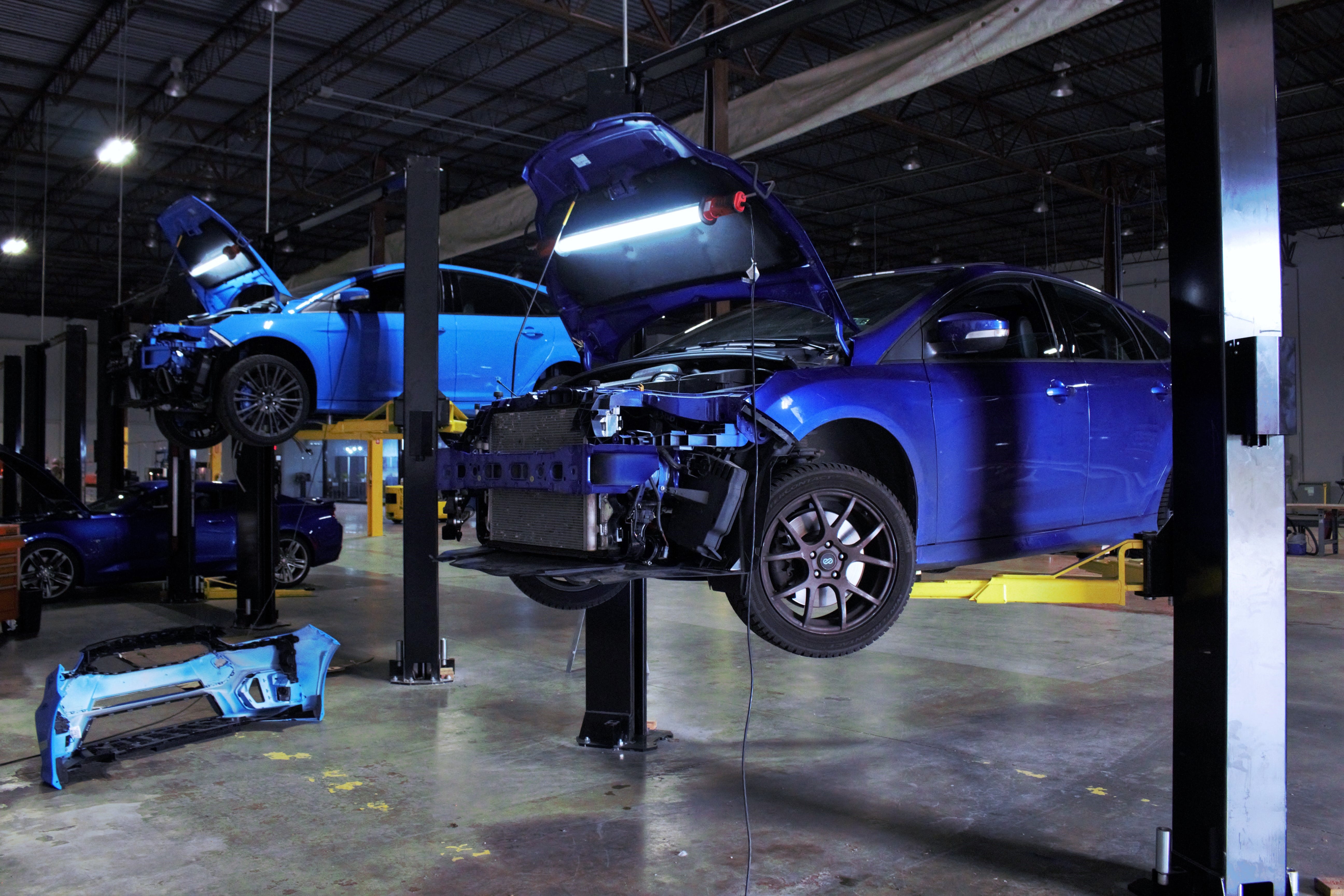
    On to road testing! When we make a catch can for any vehicle, road testing allows us to be sure that no codes

    Continue Reading »
  5. Upgrading Induction - Induction Hose R&D, Part 2: From Concept to Reality

    Upgrading Induction - Induction Hose R&D, Part 2: From Concept to Reality

    We are now one step closer to completing this induction project! The bulk of our testing is just about finished and we have gotten some awesome results. One of our biggest objectives was to increase the internal volume over the stock intake. With more air surging through the hose, the potential for improved power output is increased as well.

    Prototype 3D printed 2015+ Mustang parts
    Prototype 3D printed 2015+ Mustang parts

    The sound imposer is blocked off here, but it will be deleted!
    The sound imposer is blocked off here, but it will be deleted!

    In our previous post, we said we would include all four ports and attachments. However, we decided on a complete omission of the sound imposer port. You will see what that looks like later on in this post. The 3D printed part you see above does have the port, but it is blocked off, simulating how the final design will perform on the dyno. Speaking of which, let's look at our dyno runs!

    2015 Mustang GT parts testing
    2015 Mustang GT parts testing

    The stock intake tube begins at 95mm from the top of the airbox, which then leads into the accordion section that necks down to 87.5mm.

    Continue Reading »
  6. ReSpiration Focal Point - Intake R&D, Part 2: Something's Rustling Up

    ReSpiration Focal Point - Intake R&D, Part 2: Something's Rustling Up

    The RS has gotten a lot of attention the past few weeks, especially with the ball in our court. Need I remind you of our awesome stock dyno clip?

    But somethin's-a-brewin with one of our most recent projects, the performance intake we are developing for this hot hatch. We mentioned earlier that the development of this intake kit is not completely uncharted territory, considering that we made one for the 2013-2014 Focus ST. However, as we dived further into this project, we uncovered the true complexities of this design compared with our ST intake kit.

    Intake Construction

    What exactly makes this intake pipe so much more complex? It's simple: More attachments and brackets need to be added so that the fit will be accurate. Not only have the number of these attachments increased, but also the orientation of these pieces are not easy to accommodate. There will be bends with relatively tight tolerances, and these measurements must be exact. Difficult? Yes. Impossible? Not at all!

    First, we needed

    Continue Reading »
  7. ReSpiration Focal Point - Intake R&D, Part 1: Stock Intake

    ReSpiration Focal Point - Intake R&D, Part 1: Stock Intake

    Finally!! Ford has teased us with the prospect of an all-wheel-drive (AWD) Focus RS for the US since the early 2000's. Now, in 2016, it is finally here and in our garage. This is pretty groundbreaking considering that no Ford with an RS badge ever made its way to American soil, and they were not hot-hatches to ignore. The label had particularly dominated the rally world. Who can forget the infamous Escort RS Cosworth rally car with its countless podium finishes or the Focus RS WRC that won back-to-back manufacturer titles in 2006 and 2007? We at Mishimoto haven't, and we're glad to be reveling in all the mechanical glory that is Ford's newest, AWD, turbocharged hot hatch.

    Besides Ford providing us with a vehicle name that carries endless puns and name plays, this RS is packed with goodies, making it hard to pick an area to focus on because there are so many awesome features (I promise, that will be the only pun.). Although this RS shares its heart with the Mustang EcoBoost, it does have

    Continue Reading »
  8. The Mustang GT Intake R&D, Part 2: Prototype Design

    The Mustang GT Intake R&D, Part 2: Prototype Design

    We have some updates for our 2015 Mustang GT intake project! Our engineering team has been diligently working on a functional prototype so we can start getting some testing results. It's full steam ahead with our plan for this intake, which includes a cool design for a fully enclosed airbox, keeping the stock tune, and of course, gaining more power! Let's briefly examine what we have so far starting with the airbox, shown below.

    Prototype 2015+ Mustang Parts
    Prototype 2015+ Mustang Parts

    In our design for the intake airbox, check out how the lid contours to the dip to the right side of the radiator; that's pretty slick! This airbox will grab air from the same location as did the stock intake airbox. Also take a look at how we designed our bracket! This was another opportunity to get creative with our designs. This entire airbox, including the brackets, were all cut using our waterjet. Fun-fact: For the water and abrasive material mix to cut cleanly through this steel, the water pressure shoots out at around 60,000 psi!

    Continue Reading »
  9. Upgrading Induction - Induction Hose R&D, Part 1: Design Elements

    Upgrading Induction - Induction Hose R&D, Part 1: Design Elements

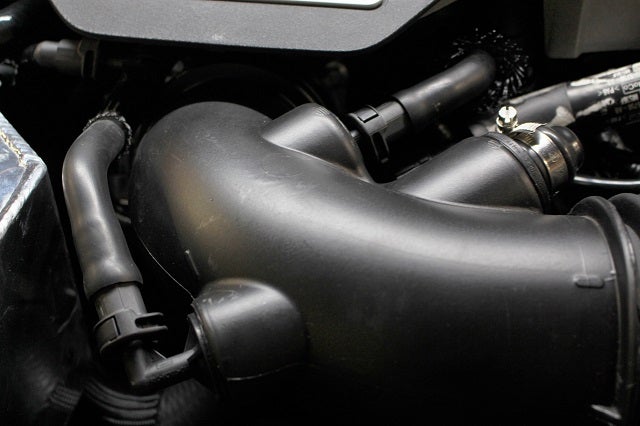
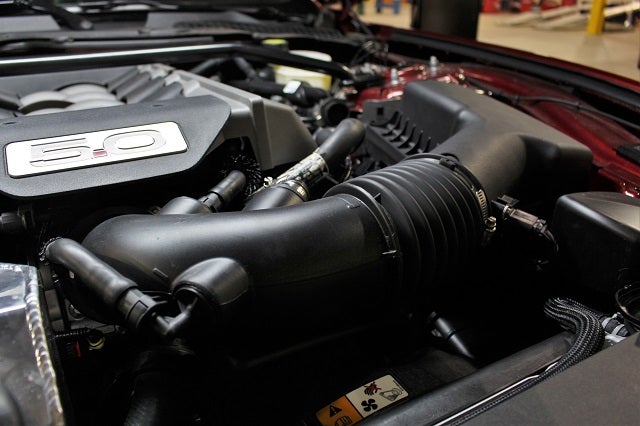
    Improving airflow is now a recurring theme for the stock 2015+ Mustang GT intake. In addition to finding air flow restrictions in our project to replace the entire stock intake system, we've also found several ways that a silicone induction hose for S550 drivers could improve airflow for drivers who would rather not replace their stock intakes. The stock piece is not only restrictive in size, but it also makes use of a resonator. We can make several improvements to take this induction hose design to the next level.

    IMG_5013r
    Stock 2015+ Mustang parts

    Stock 2015+ Mustang parts
    Stock 2015+ Mustang parts

    The hose itself is straightforward, except for the number of ports and attachments. We will be including those four ports in our design and will incorporate quick-disconnect fittings. Take a look at the image below.

    A look at the many port attachments
    A look at the many port attachments

    To increase the amount of airflow that can travel from the airbox, we must enlarge the entire tube. This will produce give us an increase in volumetric area inside the tube. Although

    Continue Reading »