BLOG CATEGORIES

Page 4 - Search "Catch Can"

  1. Mishimoto 2015+ Ford Mustang 2.3L EcoBoost Direct-Fit Baffled Oil Catch Can System, Part 4: Results and Project Conclusion

    Mishimoto 2015+ Ford Mustang 2.3L EcoBoost Direct-Fit Baffled Oil Catch Can System, Part 4: Results and Project Conclusion

    Interested in picking up this awesome catch can kit? Check out more details on our product page linked below!

    Mishimoto Ford Mustang EcoBoost Baffled Oil Catch Can

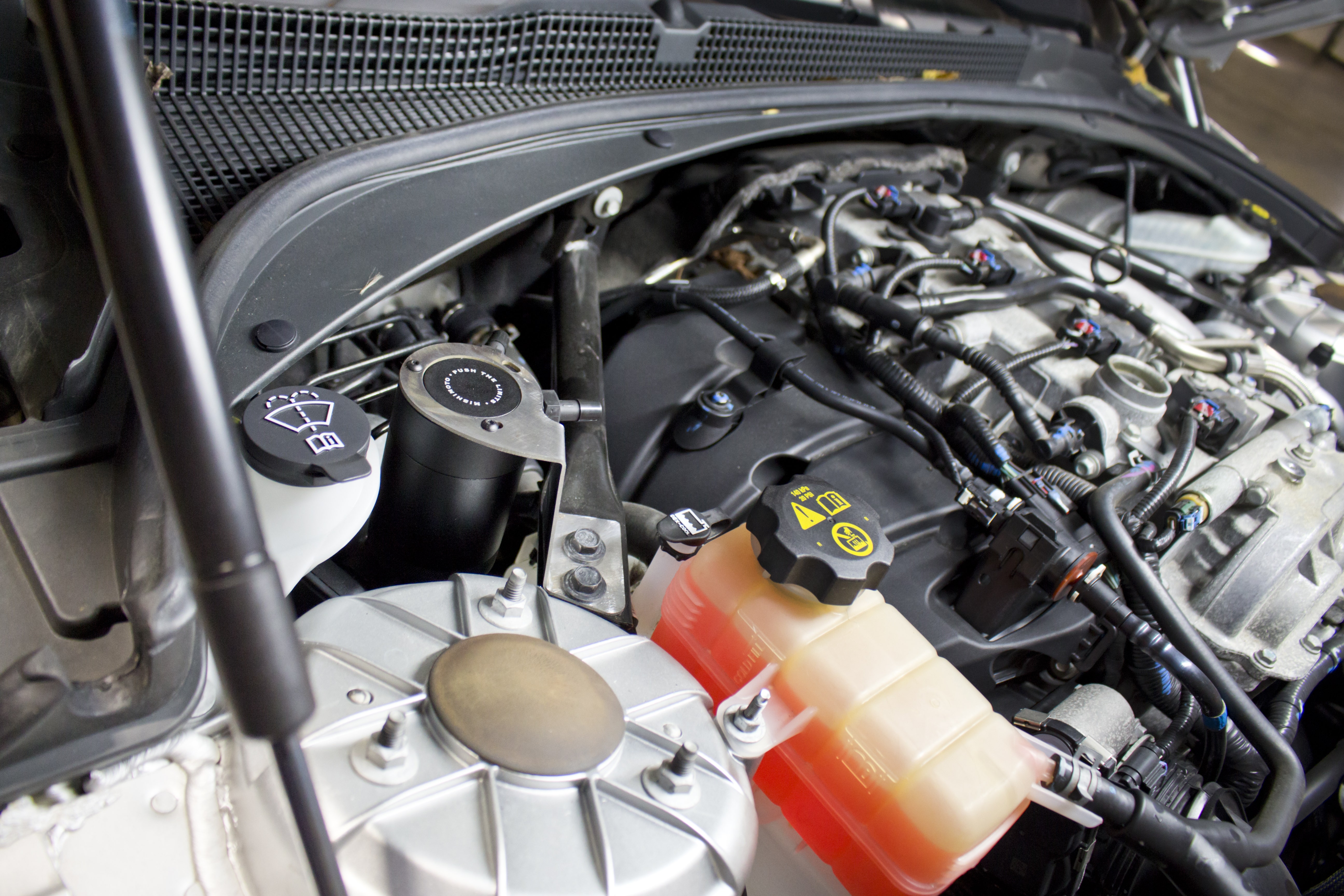
    When we left you last time, we had equipped our Mustang up with our prototype dual-can setup, and we sent the vehicle out for some road use. Since we would be testing other components (intake and intercooler) at the same time, dyno pulls would also be conducted with this setup installed.

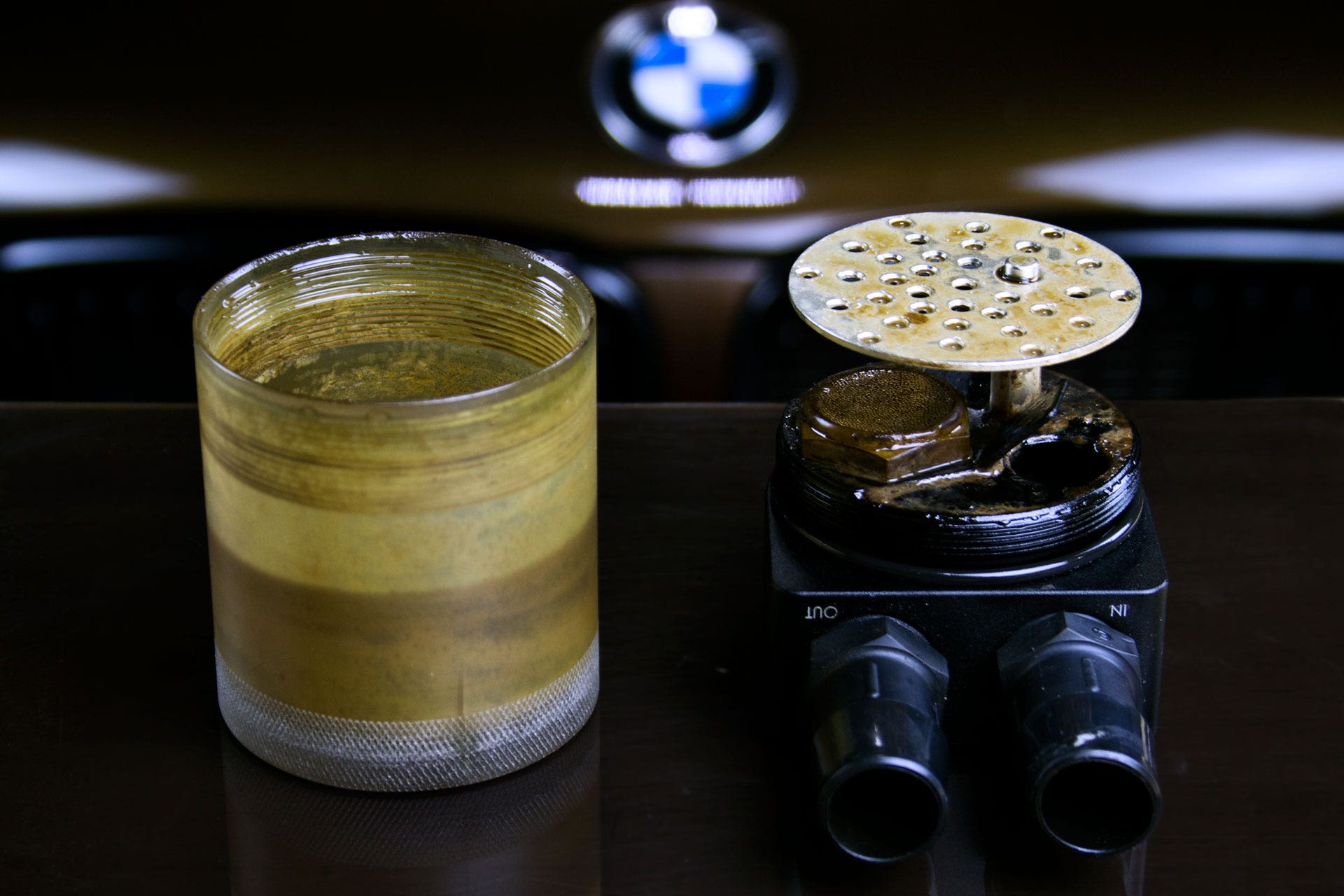
    After just 300 miles of road use, this is what we found.

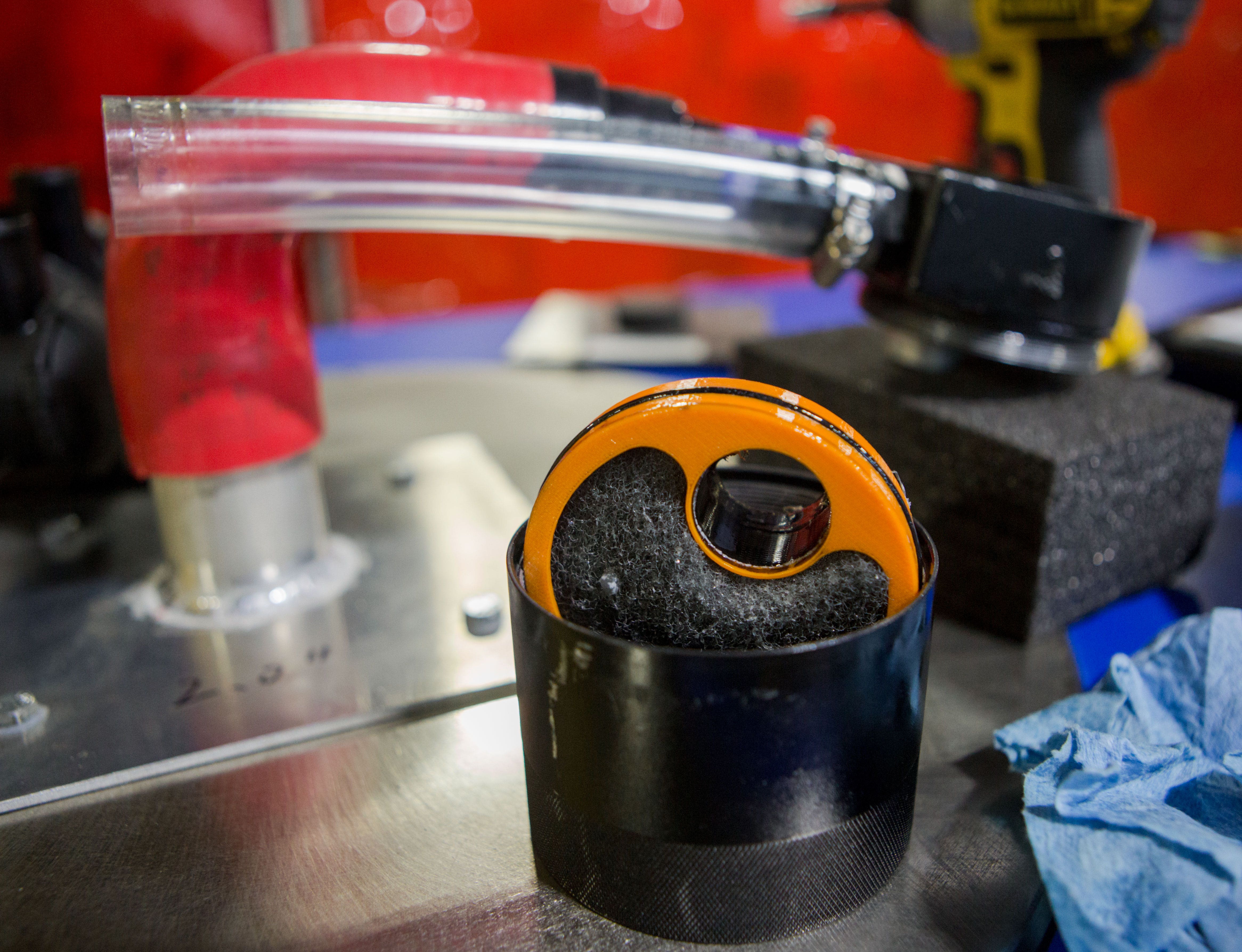
    PCV catch can contents
    PCV catch can contents
    PCV catch can contents
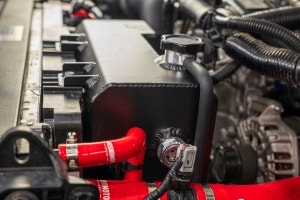
    PCV catch can contents
    It's Interesting that our breather-side catch can looked fairly empty after our road testing.

    Breather catch can contents
    Breather catch can contents

    The can above was bone dry. We continued to accumulate miles, and strangely enough, this can still did not collect any fluid. Although it had a scent of fuel and oil, accumulation was nonexistent.

    With our results in, we came to the conclusion that our kit would include only the PCV-side catch can. We would never want to

    Continue Reading »
  2. Gotta Keep em' Separated - Catch Can R&D, Part 1: Stock Review

    Gotta Keep em' Separated - Catch Can R&D, Part 1: Stock Review

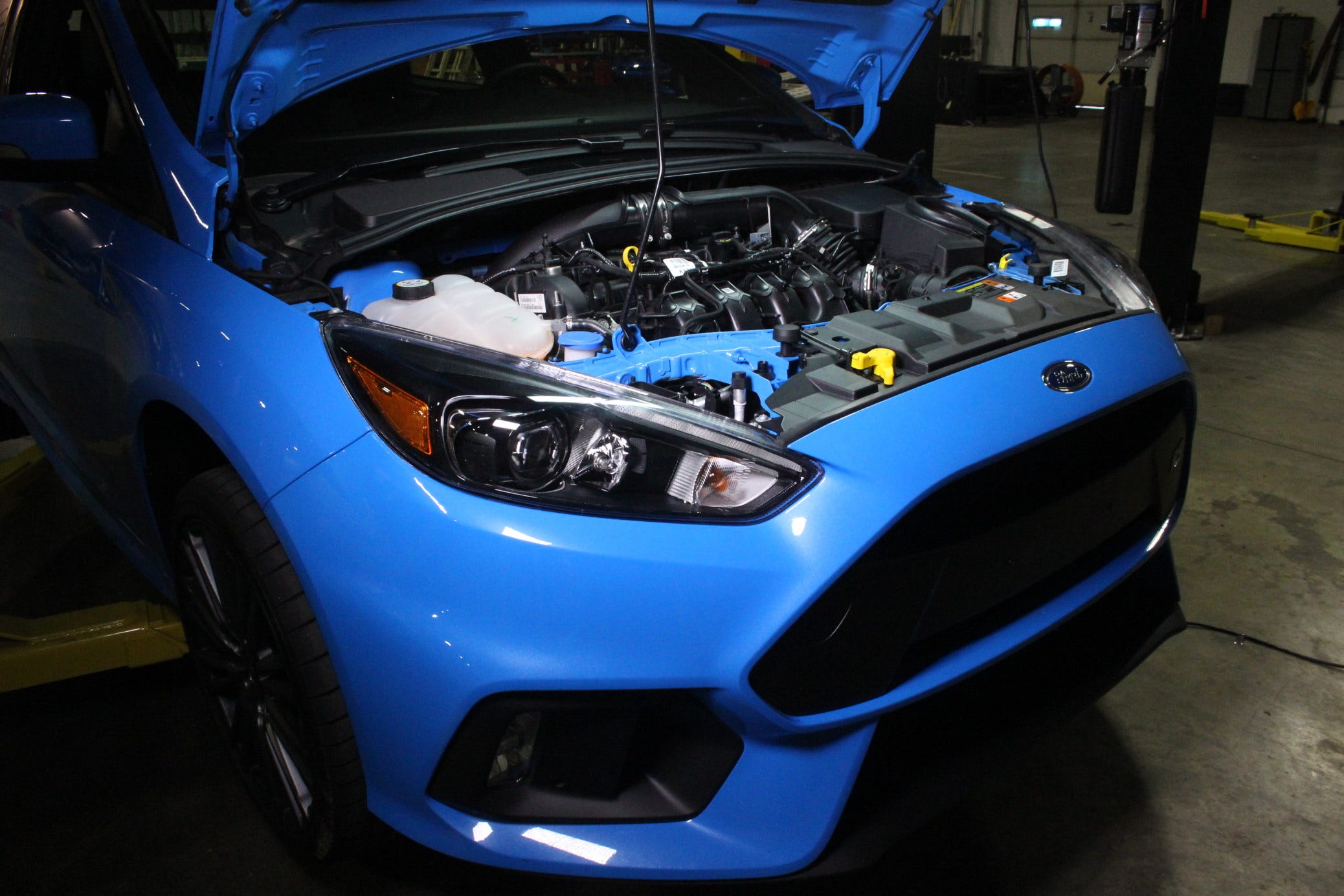
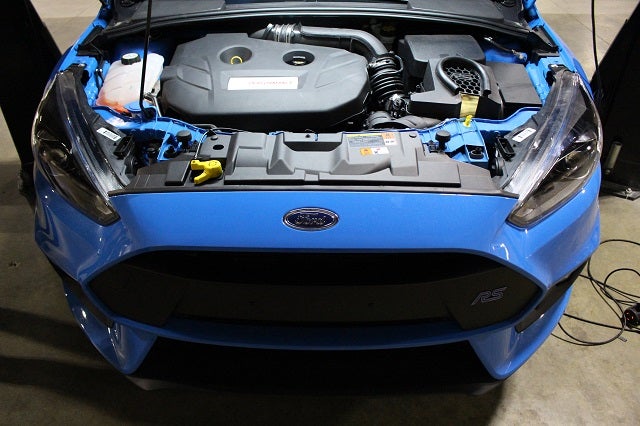
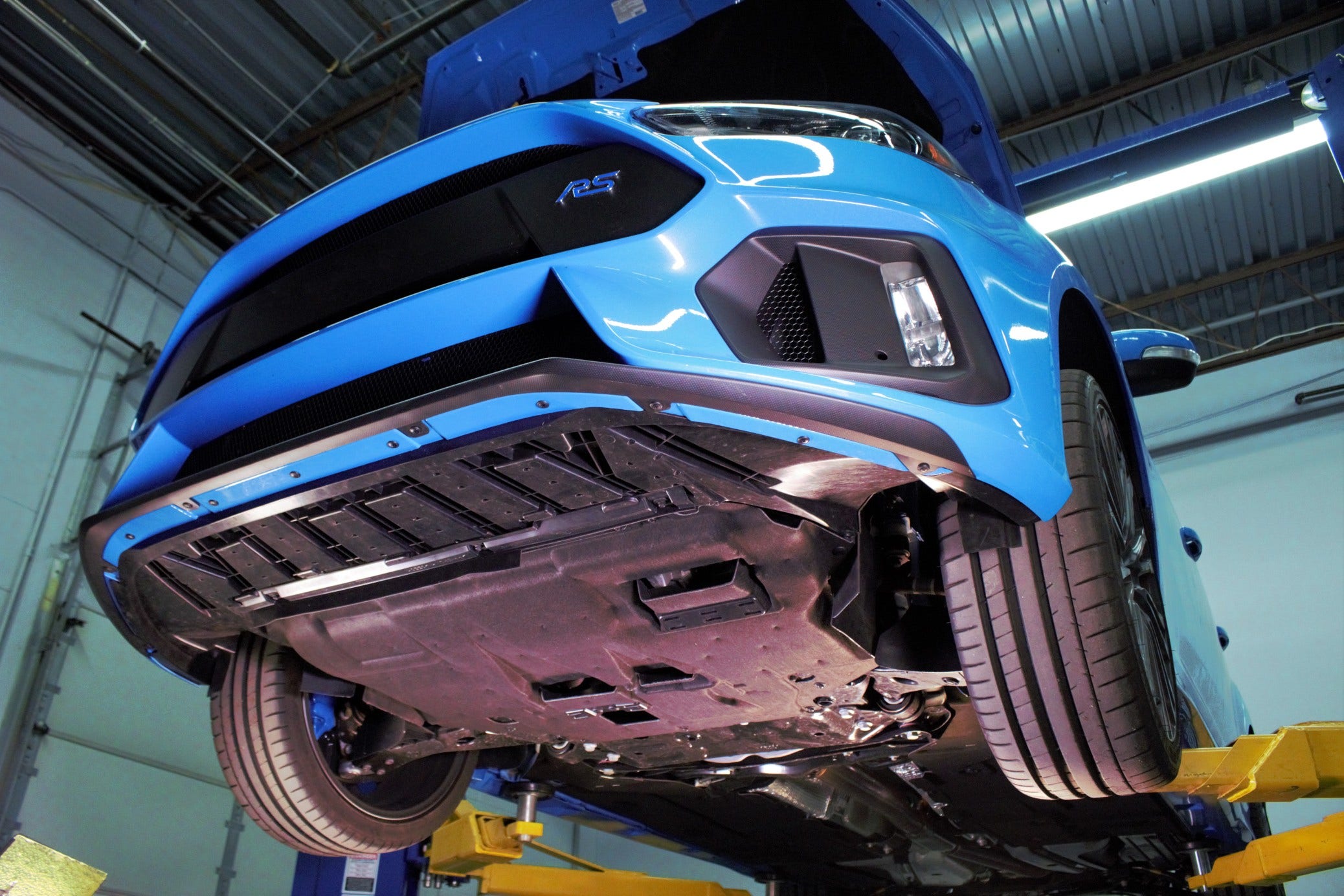
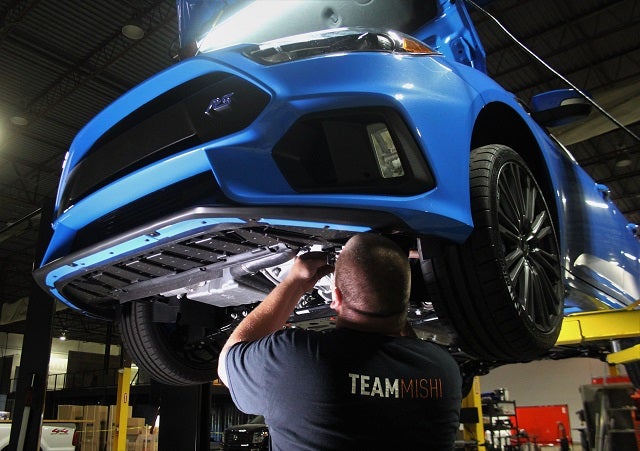
    The Focus RS is a big hit at the Mishimoto headquarters, and we want to make sure to protect our newest addition. If you missed Kyle Mohan testing out the Focus RS drift mode, check out our Focus RS Drift Video. Luckily one of the first projects up to bat is our direct-fit baffled oil catch can. We know that the necessity of an oil catch can is a hotly debated topic among many car communities, and the Focus RS is no exception. From previous projects and research online, we've learned that blow-by is a real presence in these EcoBoost engines.

    Focus ST Catch Can R&D
    Focus RS Oil Catch Can R&D

    Focus ST Catch Can R&D
    Focus RS Catch Can R&D

    Catch Can 101

    What is this notorious blow-by that I speak of? Blow-by is the unburnt oil and fuel mixture that blows past the piston and into the crankcase. Modern engines have a CCV (Crank Case Ventilation) system for emissions purposes. The CCV directs the blow-by back into the intake to be burned in the combustion chamber. Unfortunately, on its way back into the engine, blow-by leaves a nice oily

    Continue Reading »
  3. Gotta Keep Em' Separated- Catch Can R&D, Part 3: Test Results

    Gotta Keep Em' Separated- Catch Can R&D, Part 3: Test Results

    Testing is complete! Although we would still like to be cruising through twisty back roads logging R&D miles, it is time to bring the Focus RS back to the stables to examine our catch can. When we test our catch cans, we try to put a wide variety of miles on the car to best replicate normal driving situations. We send one of our engineers out into the wild to put our development vehicle through its paces and ensure our products are functioning as designed.

    Focus RS catch can testing
    Focus RS catch can testing

    Blow-by Meets it's Match

    Although our compact baffled oil catch can has been tried and tested numerous times, we still want to put it through the ringer to ensure that it functions just as nicely on every application. Just like our previous catch can kits, our compact baffled oil catch can has proven itself once again and our testing went off without a hitch. Upon initial investigation we noticedΒ oil buildup in the hose leading to theΒ catch can, on the internals of theΒ catch can, and pooled in the bottom

    Continue Reading »
  4. Universally Guarded - Universal High-Flow Diesel Catch Can R&D - Part 1 - The Plan

    Universally Guarded - Universal High-Flow Diesel Catch Can R&D - Part 1 - The Plan

    This Universal High-Flow Catch Can Kit is now available! Click here to check it out!

    Β 

    It's no secret that the world relies on the diesel engine. From the mega-motors powering cargo ships across the ocean to the 4-cylinder TDIs, the turbodiesel has become synonymous with longevity and dependability. Even after hundreds of thousands of miles, the deep chugging and piercing whistle of a turbodiesel keeps going. While the diesel engine is a staple of reliability, its lifespan is still determined by how it's taken care of. Even with all the advancements in technology and engineering, the diesel engine is still susceptible to one of the same issue that plagues its gas-powered cousin, blow-by.

    blowby can

    Β 

    Blow-by comes in all shapes and sizes, and is never good for your top end internals.
    Blow-by comes in all shapes and sizes, and is never good for your top end internals.

    Β 

    Β 

    The silent menace that is blow-by might be familiar to some, but for those of you in the dark on the subject, let's review. Oil blow-by is the by-product of the standard operation of an internal combustion engine.

    Continue Reading »
  5. Road Test Results – Baffled Oil Catch Can for 2024+ Mustang V8

    Road Test Results – Baffled Oil Catch Can for 2024+ Mustang V8

    We’re entering the fourteenth year of production for Ford’s 5.0L Coyote V8 engine, and in that time the Coyote has made a name for itself. It’s a powerful, throaty engine that’s been in the Mustang GT since the 2011 model year. Since its inception, the folks at Ford have managed to squeeze an extra 68 horsepower out of the Coyote with the new 2024 Mustang GT boasting 480 horsepower. Despite these gains, one issue the Coyote has had for years still persistsβ€”excessive blow-by.

    What is Blow-by?

    If you’re not familiar, blow-by is a result of high pressure on the top side of the piston pushing combustion gasses, as well as droplets of oil and fuel, past the piston rings and into the crankcase. To prevent excessive pressure in the crankcase, most modern vehicles extract blow-by via the PCV system and route it back into the intake. While most manufacturers add an air-oil separator to the PCV system, they often aren't as effective at removing oil as we might like. This leads to the problem of oil

    Continue Reading »
  6. Little Caddy - Catch Can R&D, Part 4: ATS Hose Routing

    Little Caddy - Catch Can R&D, Part 4: ATS Hose Routing

    Hello to all my wonderful Camaro 2.0T and Cadillac ATS owners! In our last update, we made the big reveal of our patent-pending blow-by tap. We drilled down into the details of how we plan on mining that nasty vein of oil vapor out of your LTG and transporting it to a catch can, instead of into your intake manifold.

    Today, we're going to take it back to basics a little bit and look specifically at that whole "transport" element. To go even further back to basics, check out our technical section to see why blow-by is so bad for your engine over time. You know all about the complex, unique parts of this Camaro catch can project, but what about something as simple and ubiquitous as the hoses?

    camaro catch can

    There are many ways to skin a cat, and there are many ways to route a hose. However, as they say, all you really need to know, you learned in kindergarten. Steve took us back to circle time with a clever new way to route houses in a way that's more visually representative of how the final product will

    Continue Reading »
  7. Mishimoto 2015 Subaru WRX Direct-Fit Baffled Oil Catch Can System, Part 2: Product Prototyping

    Mishimoto 2015 Subaru WRX Direct-Fit Baffled Oil Catch Can System, Part 2: Product Prototyping

    Interested in purchasing our WRX catch can kit? Check out more details on our product page linked below!

    Subaru WRX Baffled Oil Catch Can System

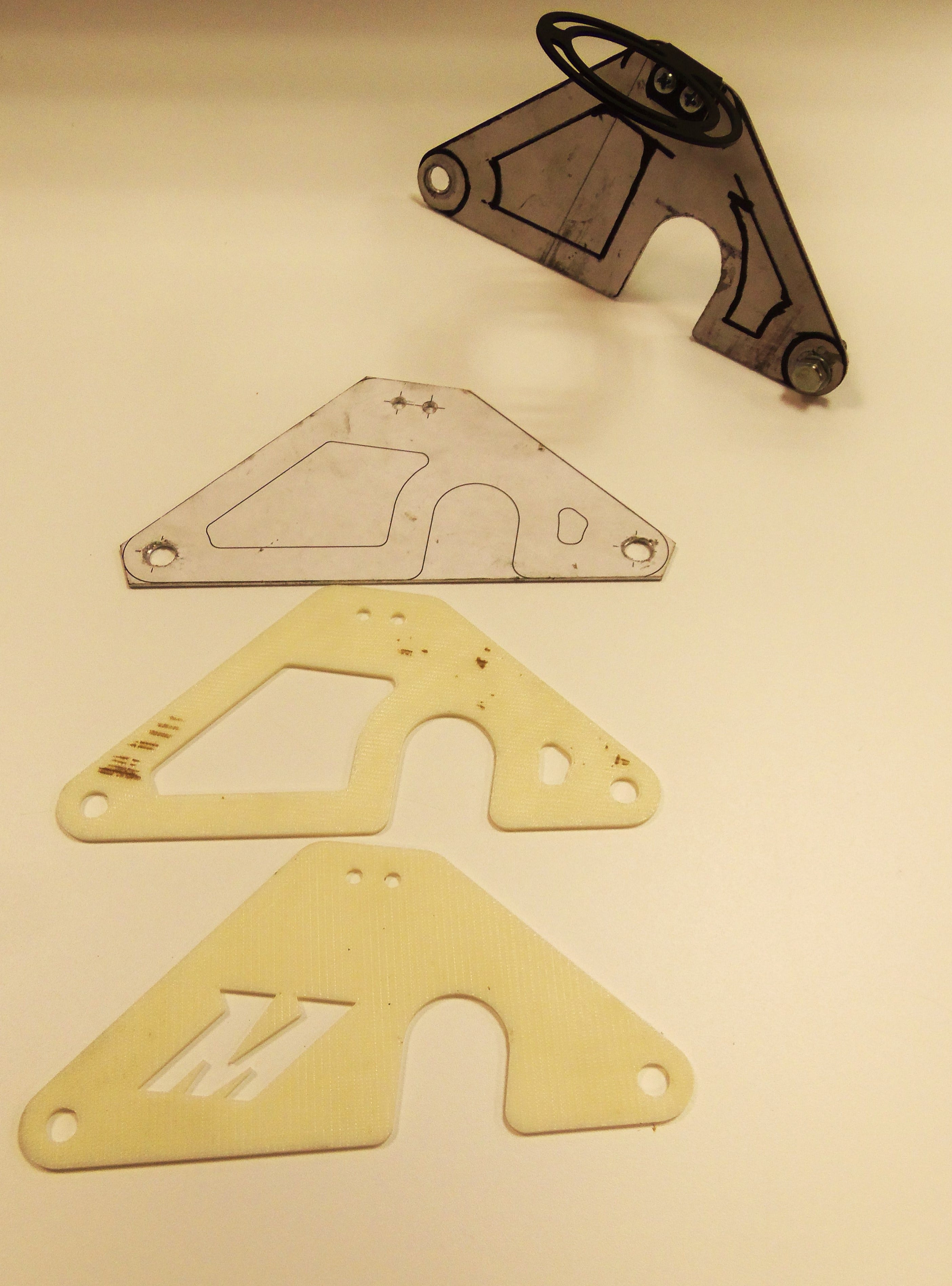
    Time to start designing brackets! After a quick recap of the project goals, our creative engineering team began brainstorming. First, they selected a location for the catch can on the PCV valve side. It would need body mounting points for the can bracket, and preferably a short route for the hose so as not to complicate the engine bay. Our goal is a clean installation that appears stock-like, not a medusa of hoses routed about the engine bay.

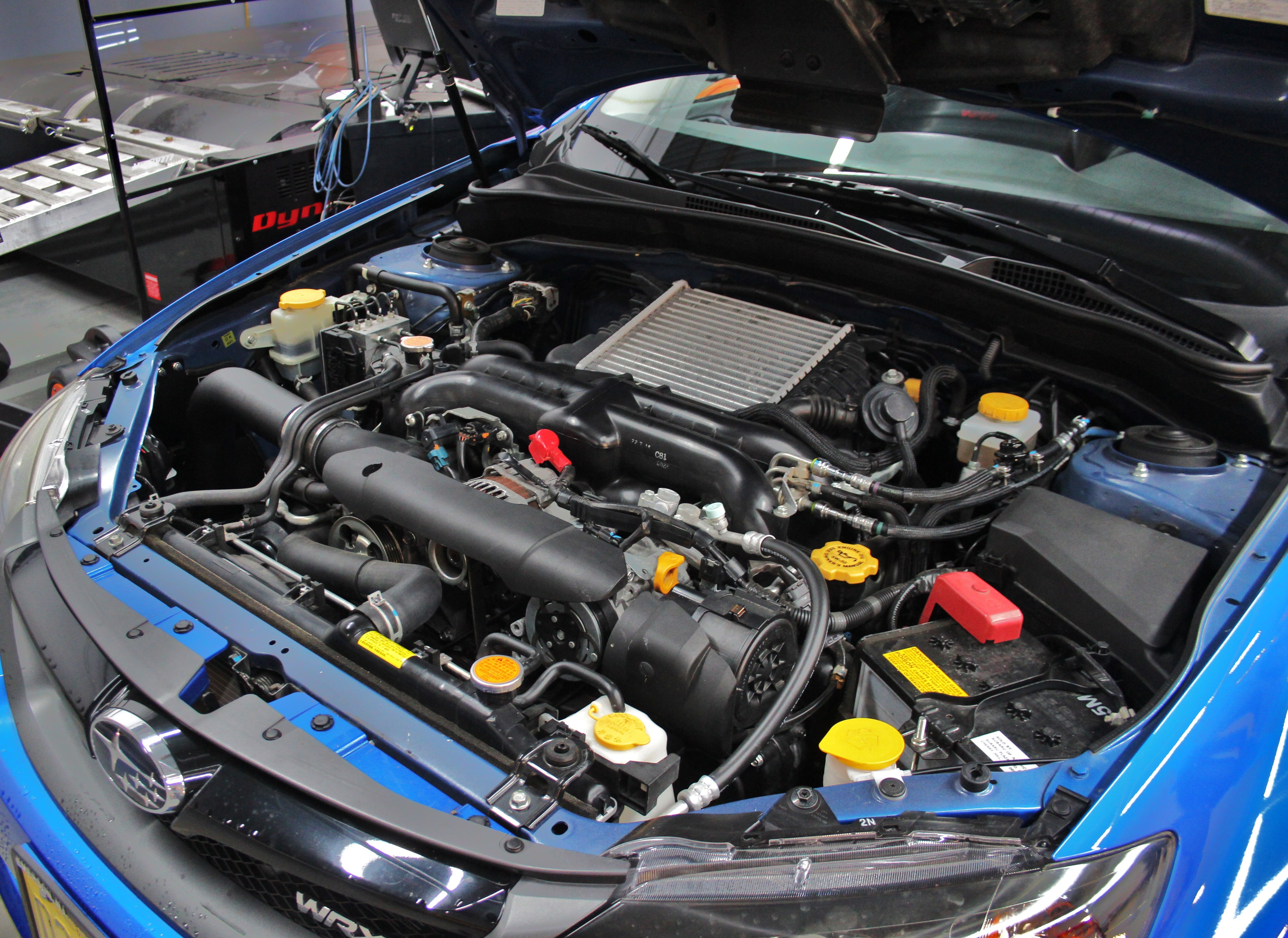
    The PCV valve on the 2015 WRX is located under the intercooler toward the rear of the engine block. You can see it in the image below, taken during a later stage of development of this kit.

    2015 Subaru WRX PCV valve
    2015 Subaru WRX PCV valve

    We also needed to consider the differences between the RHD and LHD vehicles. In our US spec LHD model, both the brake booster and master cylinder are located on the left side of the engine bay.

    Continue Reading »
  8. Protecting the N55 - Catch Can R&D, Part 3: Test Results and Final Look

    Protecting the N55 - Catch Can R&D, Part 3: Test Results and Final Look

    The pre-sale for this kit is now live! Click here to buy the Mishimoto N55 Catch Can Kit!

    Nothing ruins a weekend drive through your favorite back roads more than an unexpected check engine light (CEL). That is, nothing except a flashing check engine light.Β  Having driven my fair share of Volkswagens, Audis, and more recently Subaru's, I've become quite accustomed to the warm, orange glow of a lit check engine light.Β  A solid CEL is something that no longer worries me; it's something that I, and most people who modify cars, have come to expect every now and then.Β  What does still haunt my dreams, however, is the flashing CEL. What's the difference? A solid CEL is usually a fault that's not life-threatening to the engine.Β  Small issues like loose fuel caps, small vacuum leaks, and dirty throttle bodies all cause a solid CEL. But what causes a flashing CEL is something much more dangerous: a major misfire.

    The Orange Omen

    The dreaded flashing check-engine light is a sign that something catastrophic is happening in your engine.
    The dreaded flashing check-engine light is a sign that something
    Continue Reading »
  9. Don't Worry Baby - Catch Can R&D, Part 3: Drilling In and Striking Oil

    Don't Worry Baby - Catch Can R&D, Part 3: Drilling In and Striking Oil

    Good afternoon, Camaro 2.0T and Cadillac ATS owners, and welcome to the latest R&D post for our 2013+ Cadillac ATS and 2016+ Camaro 2.0T catch can kit. For a recap on why you might want to remove blow-by from your engine, check out our technical article ALL about the nasty stuff. We've got some pretty awesome developments to share, but first let me begin by"

    Setting the Scene

    Imagine, for a moment, the warm hue of soft, August light, gently bathing the wooded pastures of northwestern Pennsylvania in a quilt of contrasting gold. The sun lingers low in the late-afternoon sky and casts heat over the valleys, but the breeze brings with it a subtle bite; a subdued, but confident nod to autumn's imminent arrival.

    For most, this weather typically imparts an assured sense of calm as the summer comes to a close, but it is unlikely that the weather in 1858 had any such impact on an unemployed railway worker named Edwin Drake.

    Ill and having lost both wife and child, Drake found himself living hopelessly

    Continue Reading »
  10. Defending the King - 2017 Honda Civic Type R Direct Fit Catch Can R&D Part 3 - Blow-By Verified

    Defending the King - 2017 Honda Civic Type R Direct Fit Catch Can R&D Part 3 - Blow-By Verified

    Mishimoto 2017+ Honda Civic Type R Direct Fit Catch Can PreSale

    No matter the manufacturer, the term "sports car" seems to have a special relationship with the color red. Something about this vibrant hue has become synonymous with a vehicle's performance characteristics. This is a trend that Honda seems to have taken to heart. If you look back to all the fast Hondas that rolled out of the factory, at the very least they're adorned with Honda's scarlet badge on the front grille. Regardless of what angle you look at the FK8, the accenting splashes of red stand out like a coat of arms. From the pinstripes lining the bumpers to the encapsulating red bucket seats and pop of the Type R's engine bay centerpiece, the cover, there's an indication that the CTR belongs to a certain class of car.

    Honda's red and pseudo-carbon fiber engine cover really tie the whole engine bay together.
    Honda's red and pseudo-carbon fiber engine cover really tie the whole engine bay together.

    Rarely do we have the opportunity to work on a car like the CTR, so we couldn't resist doing something a little different

    Continue Reading »