BLOG CATEGORIES

Page 4 - Search "Oil catch can"

  1. Keep Oil Out of Your Intake - Oil Catch Can R&D, Part 2: The Driver-Side

    Keep Oil Out of Your Intake - Oil Catch Can R&D, Part 2: The Driver-Side

    Last time we took a look at the passenger-side catch can setup for our brand-new Mustang GT. We will still be making more improvements to our original design going forward, but the main location will stay the same. Now onto our driver-side catch can development!

    Driver-side Mustang catch can bracket installed
    Driver-side Mustang catch can bracket installed

    Driver-side Mustang catch can installed
    Driver-side Mustang catch can installed

    The driver-side catch can was a bit more difficult to place than the passenger-side catch can. We wanted to position the catch can such that it would fit with the rather intricate stock intake, while still leaving room for aftermarket intakes. Our engineers utilized the radiator stay, similar to the passenger-side, to tuck the catch can off to the side and out of the way, thus saving room for some additional Mustang parts.

    Driver-side Mustang catch can bracket installed
    Driver-side Mustang catch can bracket installed

    Routing of driver-side Mustang catch can hoses
    Routing of driver-side Mustang catch can hoses

    Although we do not expect to see much accumulation in the driver-side catch can, we will still test it for comparison purposes.

    Continue Reading »
  2. Mishimoto 2013+ Subaru BRZ / Scion FR-S Direct-Fit Baffled Oil Catch Can System, Part 3: Prototype 2 Development

    Mishimoto 2013+ Subaru BRZ / Scion FR-S Direct-Fit Baffled Oil Catch Can System, Part 3: Prototype 2 Development

    Interested in picking up this awesome catch can system? Check out more details on our product page!

    Mishimoto Subaru BRZ / Scion FR-S Baffled Oil Catch Can

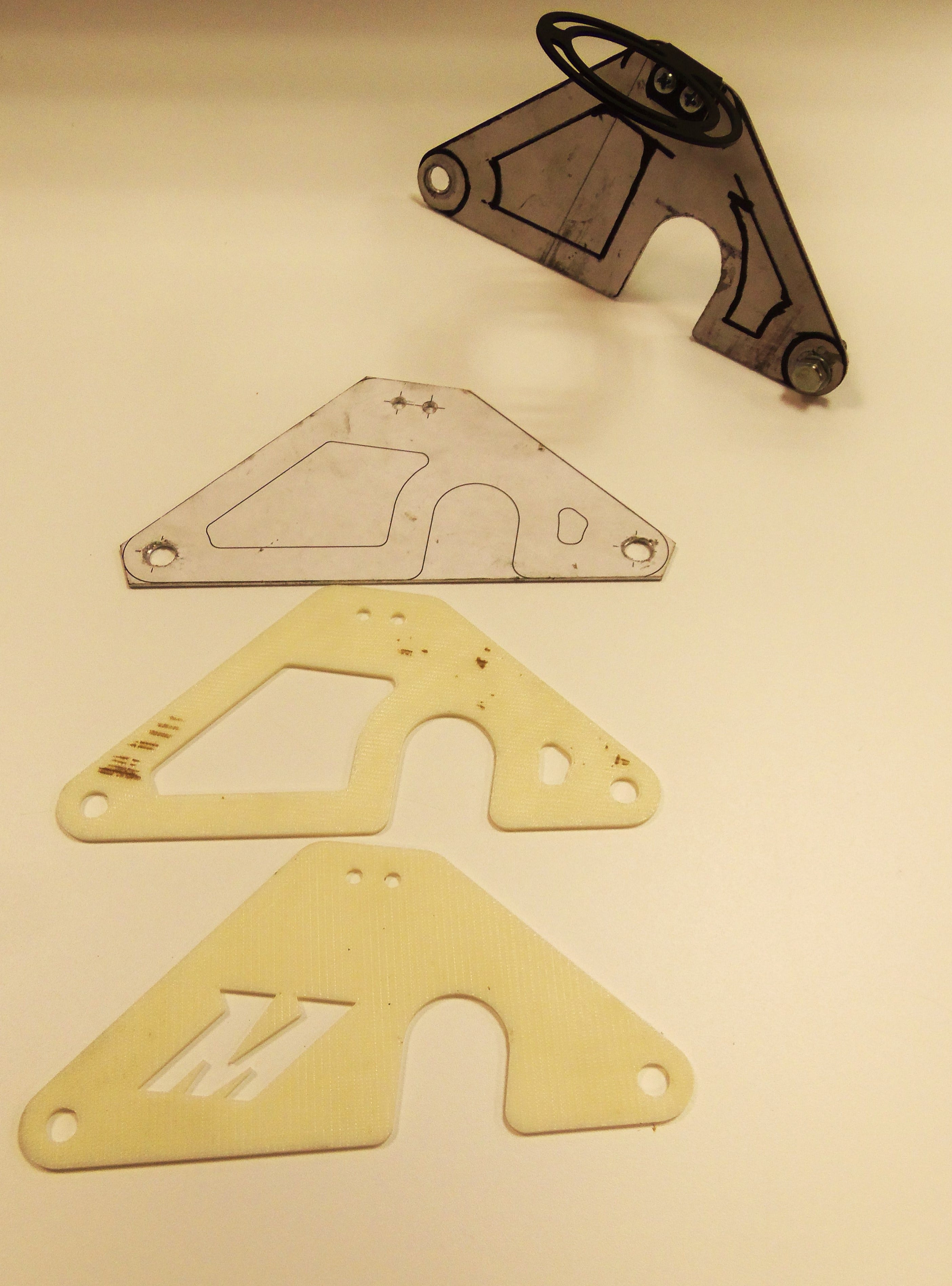
    Second Prototype Bracket Fabrication

    Now that we had our catch can ready to go, it was time to select mounting locations, and fabricate the mounting brackets. First, we will start with the PCV line we initially targeted with the large catch can we had. Check out some initial mock-up shots!
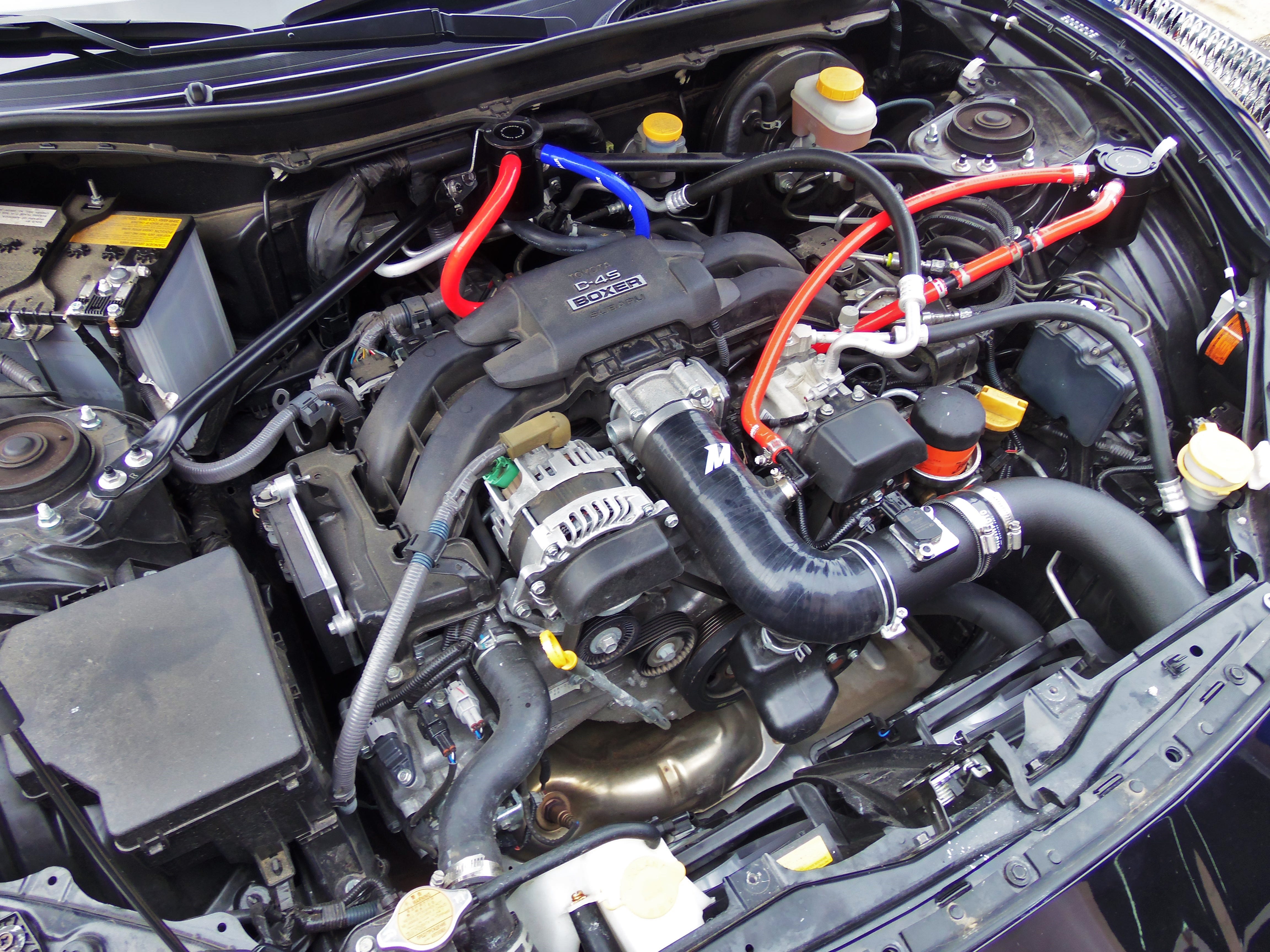
    Prototype PCV Catch Can mounted
    Prototype PCV Catch Can mounted
    Prototype PCV Catch Can mounted
    Prototype PCV Catch Can mounted
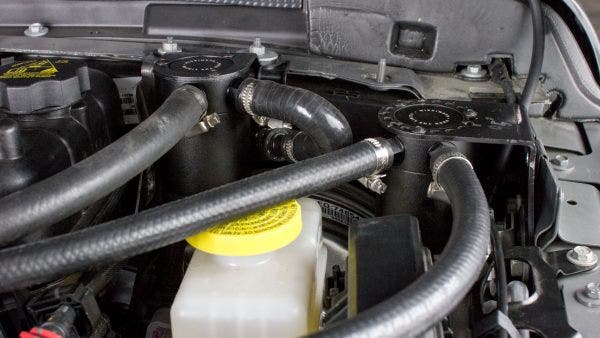
    Compared to the previous mounting point, we have moved this catch can to a more centralized position. We are no longer using the battery tie-down as a mounting point. This provides a cleaner install, and it also provides space for the brake booster/master on RHD vehicles. The lines shown in the image are purely for mockup and routing purposes.

    We will likely offer these lines in our standard three colors; black, blue and red. We also use silicone lines for all of our direct fit kits. Silicone

    Continue Reading »
  3. A New WRX/STI Catch Can System, Part 2: WRX Test Fitting

    A New WRX/STI Catch Can System, Part 2: WRX Test Fitting

    Interested in purchasing our WRX or STi catch can system? Check out more details on our product pages linked below!

    Subaru WRX Baffled Oil Catch Can System

    Subaru STi Baffled Oil Catch Can System

    After completing the fabrication of our brackets for this kit and assembling the STI-specific lines, it was time to tackle the WRX. As you may be aware, the stock CCV lines are slightly different on the WRX, which necessitates a separate set of WRX-specific catch can lines.

    The Test Subject

    After reaching out to local contacts, we found a willing vehicle donor just one state away. We have borrowed this particular vehicle on several occasions for a variety of test fittings. A big "thank you" to the owner for lending his vehicle and his time for the sake of awesome new product development!

    2011 WRX test-fit vehicle
    2011 WRX test-fit vehicle

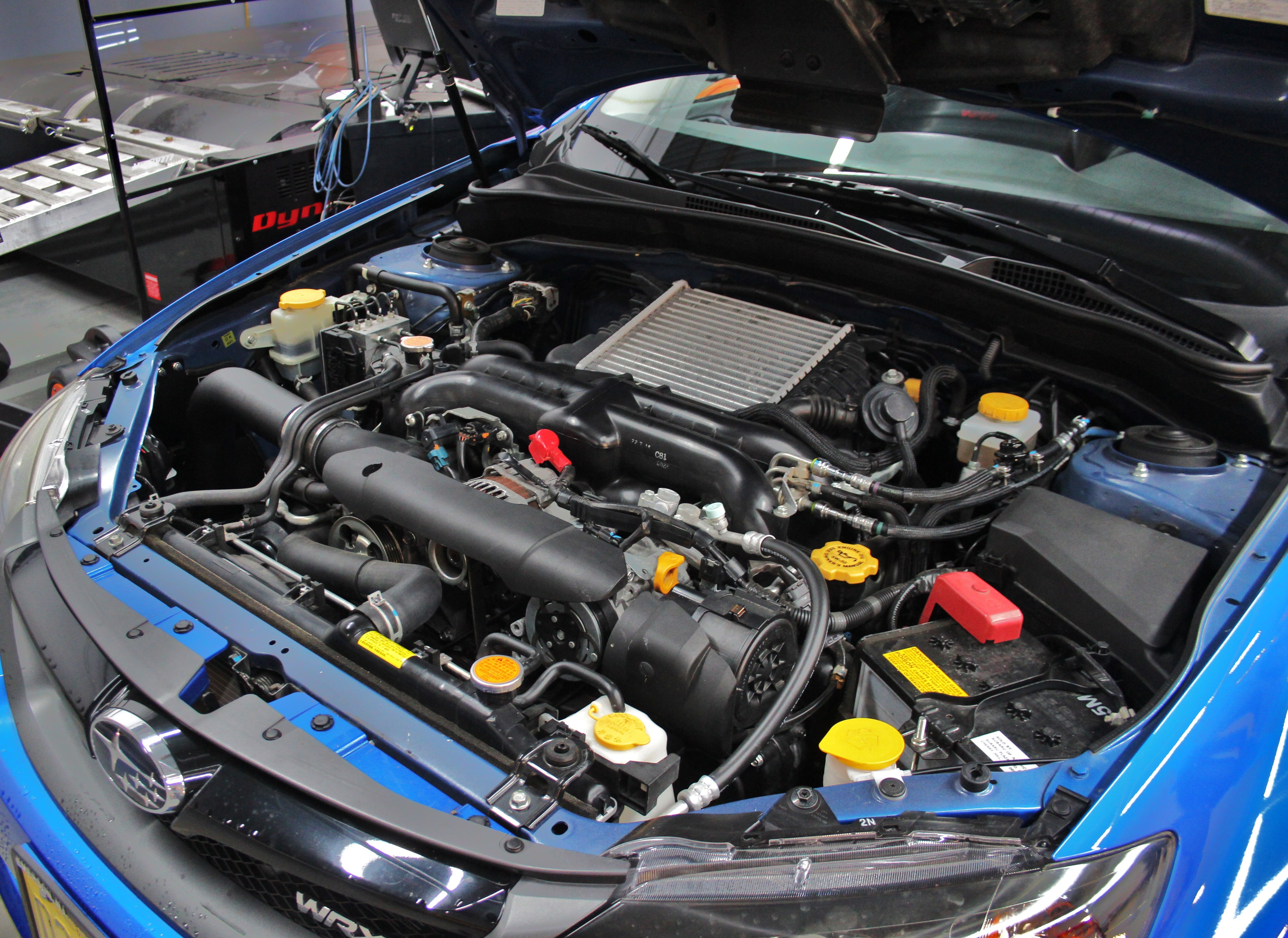
    This vehicle is kept super clean; check out the engine bay!

    2011 WRX test-fit vehicle engine bay
    2011 WRX test-fit vehicle engine bay

    This owner also has our cold-air intake setup installed!

    Mishimoto intake installed
    Mishimoto intake installed

    WRX

    Continue Reading »
  4. Defending the King - 2017 Honda Civic Type R Direct Fit Catch Can R&D Part 3 - Blow-By Verified

    Defending the King - 2017 Honda Civic Type R Direct Fit Catch Can R&D Part 3 - Blow-By Verified

    Mishimoto 2017+ Honda Civic Type R Direct Fit Catch Can PreSale

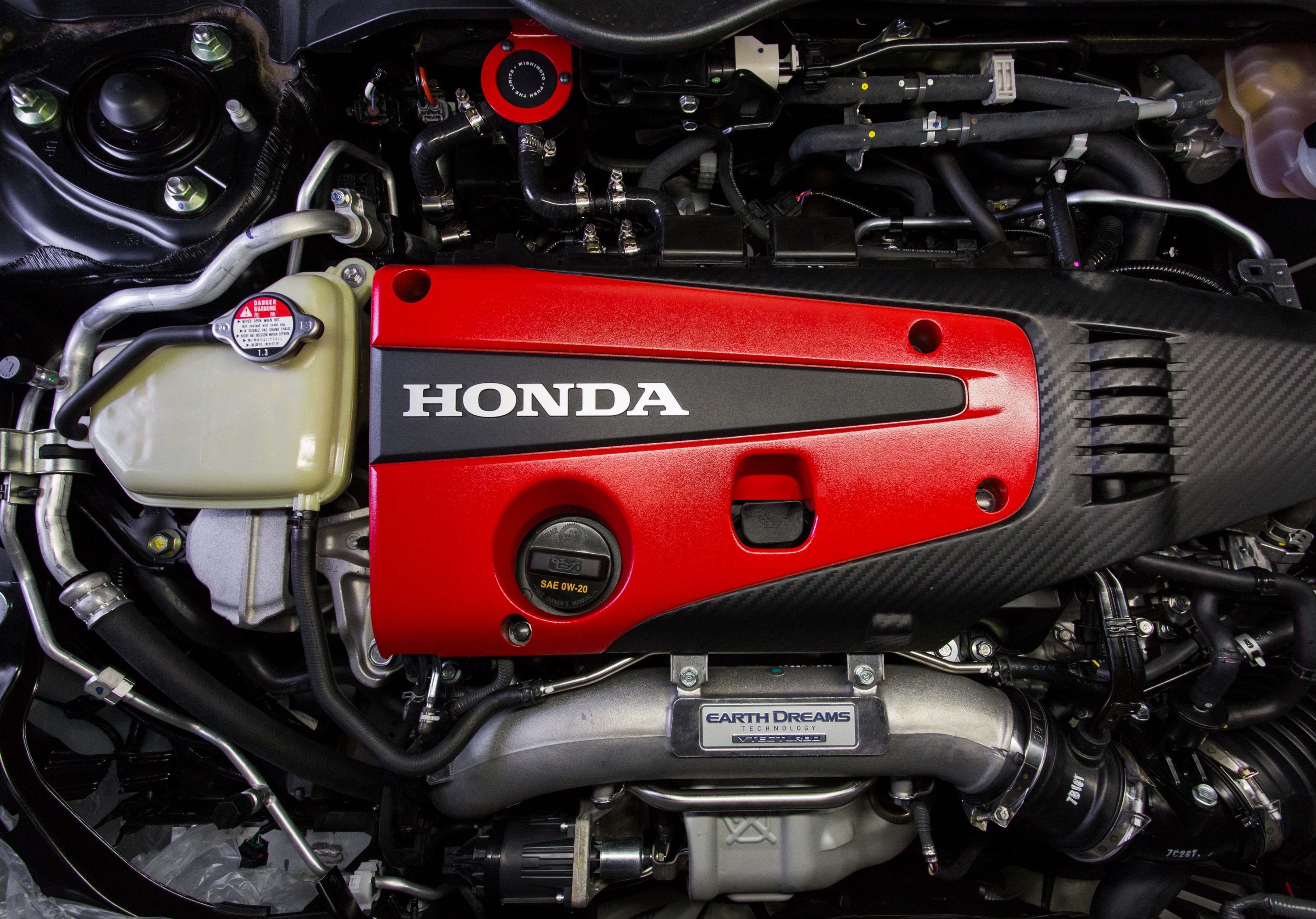
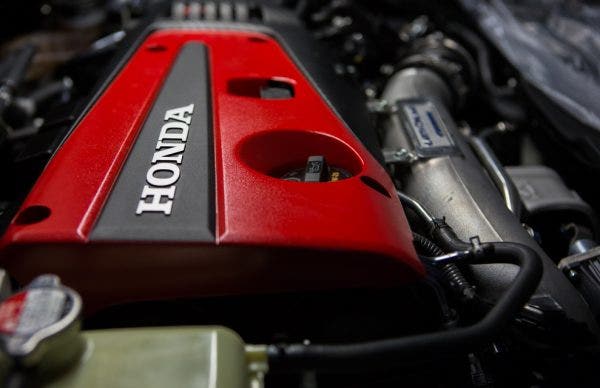
    No matter the manufacturer, the term "sports car" seems to have a special relationship with the color red. Something about this vibrant hue has become synonymous with a vehicle's performance characteristics. This is a trend that Honda seems to have taken to heart. If you look back to all the fast Hondas that rolled out of the factory, at the very least they're adorned with Honda's scarlet badge on the front grille. Regardless of what angle you look at the FK8, the accenting splashes of red stand out like a coat of arms. From the pinstripes lining the bumpers to the encapsulating red bucket seats and pop of the Type R's engine bay centerpiece, the cover, there's an indication that the CTR belongs to a certain class of car.

    Honda's red and pseudo-carbon fiber engine cover really tie the whole engine bay together.
    Honda's red and pseudo-carbon fiber engine cover really tie the whole engine bay together.

    Rarely do we have the opportunity to work on a car like the CTR, so we couldn't resist doing something a little different

    Continue Reading »
  5. Mishimoto 2015 Subaru WRX Direct-Fit Baffled Oil Catch Can System, Part 2: Product Prototyping

    Mishimoto 2015 Subaru WRX Direct-Fit Baffled Oil Catch Can System, Part 2: Product Prototyping

    Interested in purchasing our WRX catch can kit? Check out more details on our product page linked below!

    Subaru WRX Baffled Oil Catch Can System

    Time to start designing brackets! After a quick recap of the project goals, our creative engineering team began brainstorming. First, they selected a location for the catch can on the PCV valve side. It would need body mounting points for the can bracket, and preferably a short route for the hose so as not to complicate the engine bay. Our goal is a clean installation that appears stock-like, not a medusa of hoses routed about the engine bay.

    The PCV valve on the 2015 WRX is located under the intercooler toward the rear of the engine block. You can see it in the image below, taken during a later stage of development of this kit.

    2015 Subaru WRX PCV valve
    2015 Subaru WRX PCV valve

    We also needed to consider the differences between the RHD and LHD vehicles. In our US spec LHD model, both the brake booster and master cylinder are located on the left side of the engine bay.

    Continue Reading »
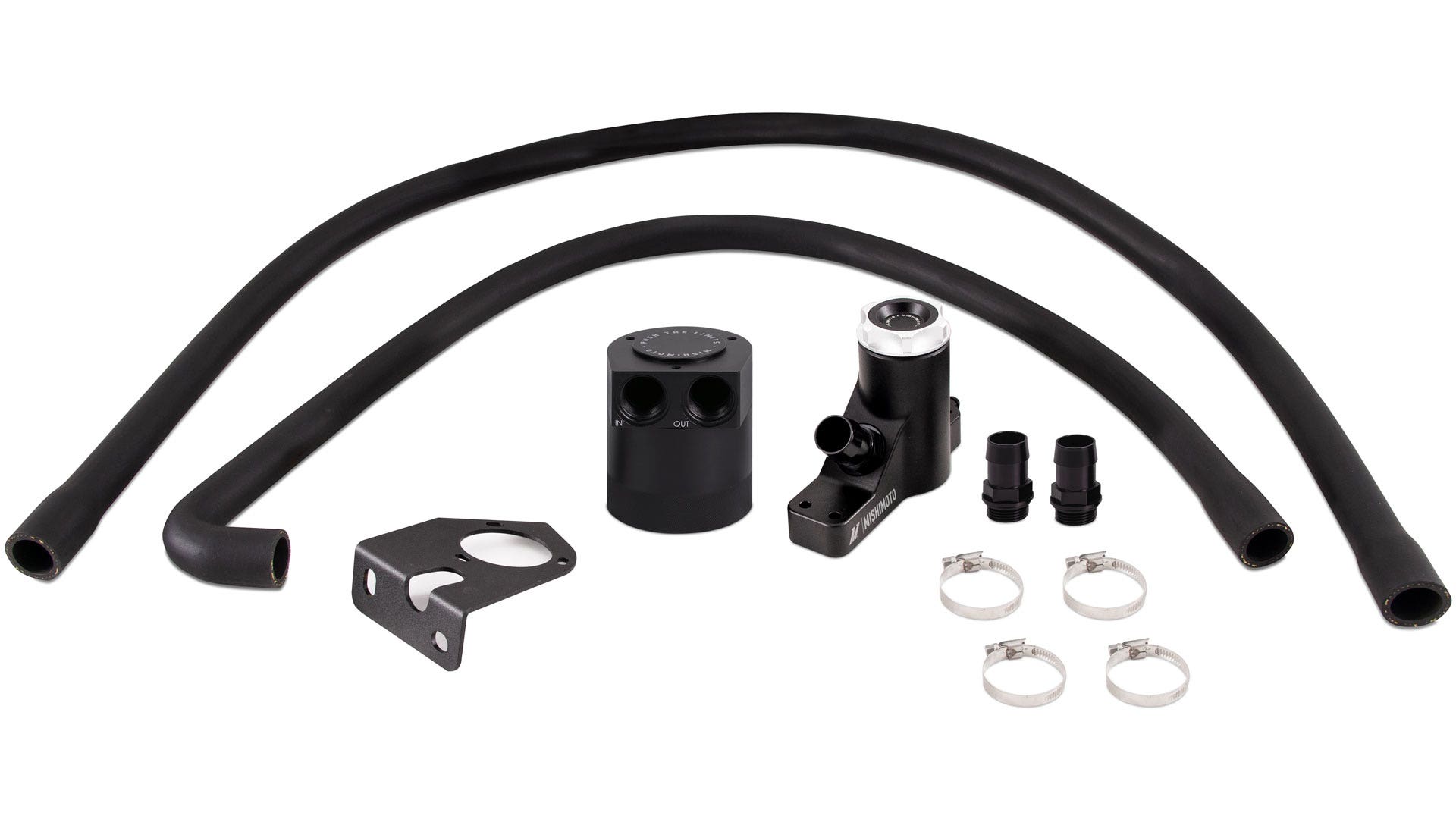
  6. In Good Health - Baffled Oil Catch Can Kit R&D: Start to Finish

    In Good Health - Baffled Oil Catch Can Kit R&D: Start to Finish

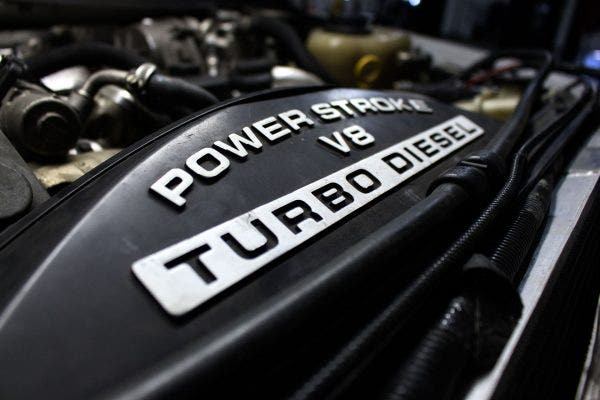
    If you're like most 6.4L Powerstroke owners, your truck is your livelihood. It gets you around, carries your tools, tows your equipment, and anything else you need to get the job done. You rely on your 6.4L every day and want to keep it healthy, but your 6.4L isn't as diligent about its own well-being.

    Like all modern internal combustion engines, the 6.4L Powerstroke generates blow-by. This blow-by is made of carbon, oil, fuel, and water vapors that leak past the piston rings during combustion. Blow-by can be extremely detrimental to the bottom end of an engine if left unvented. The pressure from blow-by buildup can push out seals and reduce engine power. The corrosive nature of blow-by can also damage engine bearings and reduce oil life. To get the blow-by out of the bottom end, modern engines (including the 6.4L) utilize a crankcase ventilation (CCV) system.

    CCV system designs vary by manufacturer and engine, but most include two components: a connection to the crankcase and a connection

    Continue Reading »
  7. Mishimoto 2015+ Ford Mustang 2.3L EcoBoost Direct-Fit Baffled Oil Catch Can System, Part 1: Introduction and Project Plans

    Mishimoto 2015+ Ford Mustang 2.3L EcoBoost Direct-Fit Baffled Oil Catch Can System, Part 1: Introduction and Project Plans

    Interested in picking up this awesome catch can kit? Check out more details on our product page linked below!

    Mishimoto Ford Mustang EcoBoost Baffled Oil Catch Can

    Mishimoto 2015 Ford Mustang EcoBoost
    Mishimoto 2015 Ford Mustang EcoBoost

    Does it need a catch can?

    This question is on the minds of many vehicle enthusiasts. If it doesn't add power, why would I want it? Why should I waste my money on it? All valid questions here. True, a catch can install will not add power to your vehicle, but that does not negate its function as a beneficial component for your vehicle.

    Let's jump into the basic benefits of a catch can. Its primary function is to separate and collect oil and fuel by-products from your vehicle's crankcase ventilation (CCV) system before they reenter the intake tract. If these by-products are not captured, they move into the intake system, which can cause several problems. But first, let's learn a bit about CCV systems and how they function to improve emissions and protect our environment.

    Without going into too

    Continue Reading »
  8. Developing a N54 Catch Can Solution, Part 1: Initial Prototype

    Developing a N54 Catch Can Solution, Part 1: Initial Prototype

    Interested in picking up our N54 oil catch can system? Check out more details on our product page linked below!

    BMW N54 Baffled Oil Catch Can Kit

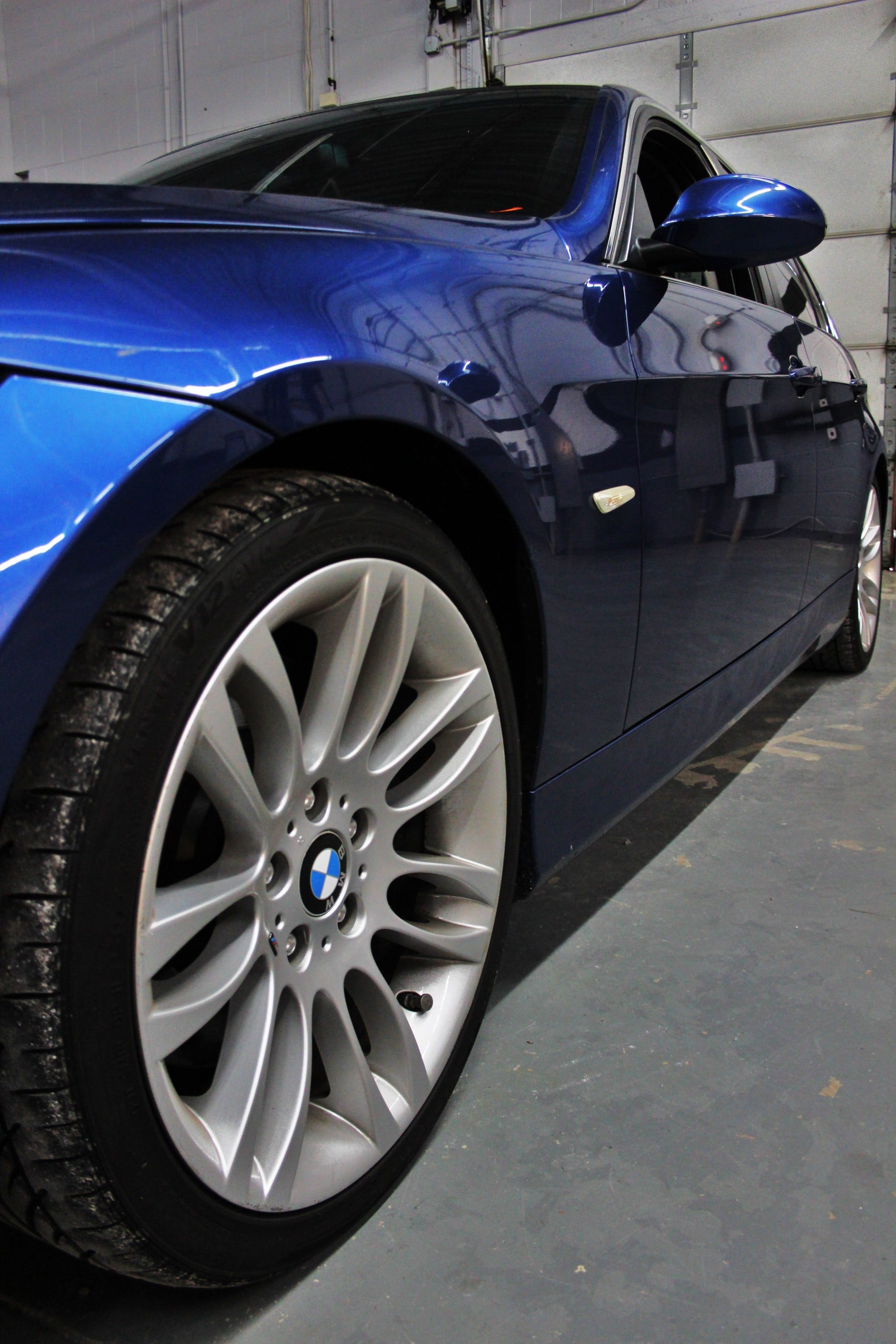
    BMW 335i test vehicle
    BMW 335i test vehicle

    The BMW N54 is a fantastic engine that produces great power in stock form and responds very well to basic modifications such as exhaust and ECU tuning. However, if you do not stay on top of servicing your BMW, maintenance and repair bills can certainly cast a shadow on 135i or 335i ownership. One of the primary challenges is dealing with valve buildups caused by oil entering the intake tract. Because the N54 is a direct injection engine, it does not benefit from the valve cleaning properties that a port injection engine can offer. Massive buildup can result in a loss of power and can have a negative impact on vehicle driveability.

    Installing an oil catch can will slow down the speed at which this buildup occurs. An oil catch can separates oil contaminants from the CCV system, thus preventing these contaminants from ending

    Continue Reading »
  9. Design and Fabrication - Catch Can R&D, Part 1

    Design and Fabrication - Catch Can R&D, Part 1

    We have been searching long and hard to get our hands on the new Honda Civic, and the search is now over! A brand new 2016+ Honda Civic equipped with the 1.5L Turbo engine has finally reached our R&D facility, thanks to a very generous owner. One of our first targeted projects is an oil catch can. There are many benefits to equipping a vehicle with a catch can. Modern fuel injection is accomplished by either port or direct injection, the latter used by this Civic. Let's briefly talk about the differences between the two.

    Port vs. Direct Injection

    With port injection, the fuel injectors are situated right inside the intake manifold, producing a fuel stream to mix with the air. That air/fuel mixture is shot straight into the combustion chamber through a valve. As the fuel passes through the valve area, much of the debris gets cleaned off - because as we all know, gasoline is an excellent solvent.

    Direct injection, however, is the more common approach for new engines. This system places the

    Continue Reading »
  10. Everyday Exploration - Oil Catch Can Kit, Part 4: Final Design

    Everyday Exploration - Oil Catch Can Kit, Part 4: Final Design

    If you've ever started something new or made a momentous change in your life, you've heard some version of the old clichΓ©, "Life isn't about the destination, it's about the journey." While I agree with that sentiment, anybody who's conquered a major challenge can tell you that, sometimes, the destination is the best part. There's nothing quite like the feeling of accomplishment you get from seeing something through to the end, no matter how long the journey is between.

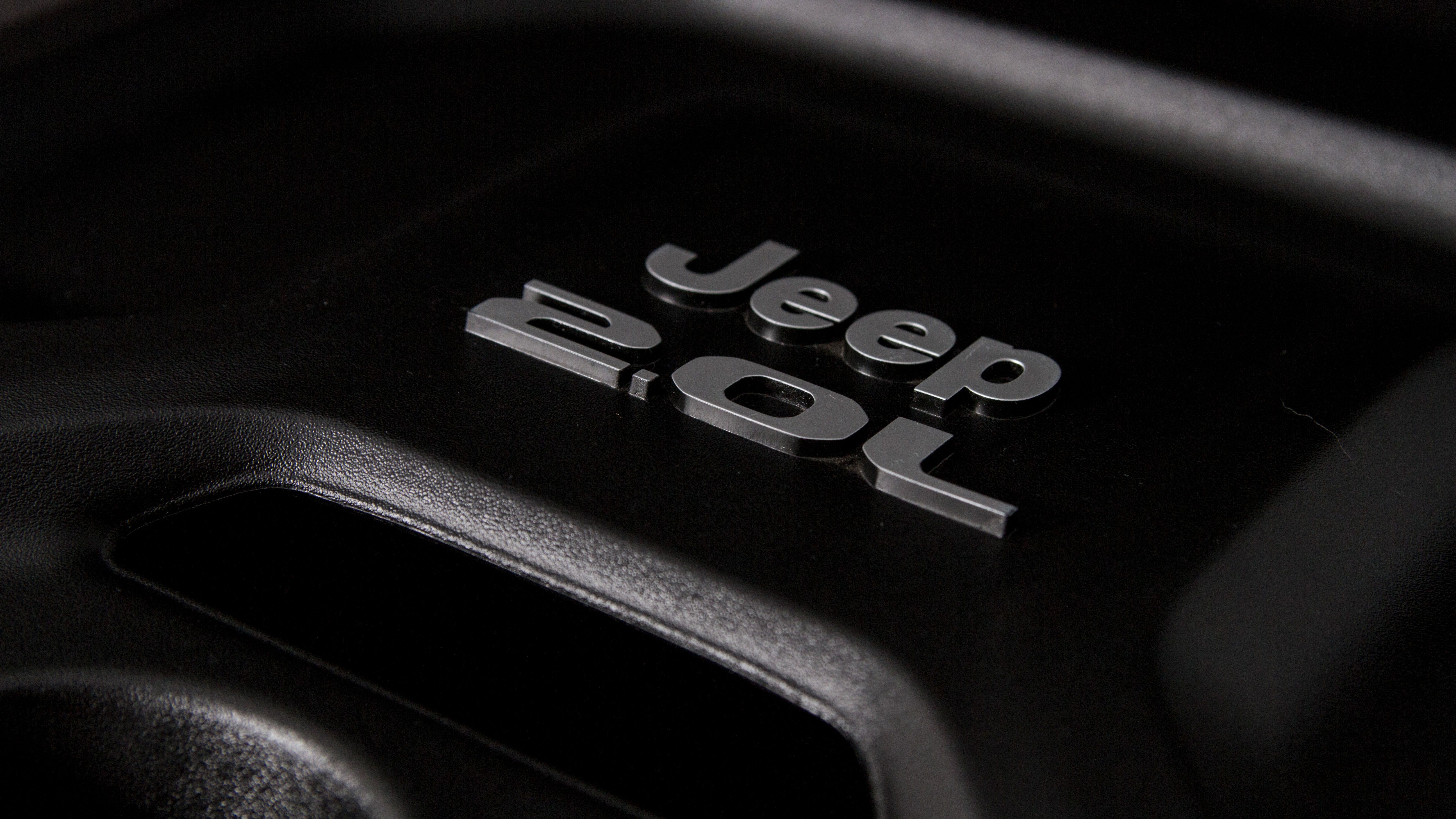
    When we last talked about our 2018+ Jeep Wrangler JL 2.0T catch can, we were just beginning our exploration and journey to a successful product. Our proof-of-concept kit had collected a substantial amount of blow-by on the CCV side but triggered a check engine light in the process. A quick look into the engine's computer revealed that the catch can was causing too much restriction in the CCV system and the sensitive crankcase pressure sensor was having none of it. Over the next 10,000 miles, we would build 10 more iterations

    Continue Reading »